An ergonomic wrist rest for your keyboard is a supportive cushion or pad designed to promote a neutral wrist position, preventing discomfort and injuries during prolonged computer use. It helps maintain straight wrists, minimizing tension and pressure on nerves and tendons in the carpal tunnel. Research indicates that wrist supports can reduce muscle fatigue in upper arm muscles by up to 32% during extended typing sessions, contributing to overall comfort and preventing work-related musculoskeletal disorders.

At MMPok, with over a decade of experience, we understand how small changes in your workstation can significantly improve well-being. An ergonomic keyboard wrist rest is specifically engineered to bridge the gap between your natural anatomy and the demands of prolonged computer use, ensuring your wrists remain healthy and ready for action.
What Exactly Is an Ergonomic Keyboard Wrist Rest?
An ergonomic keyboard wrist rest is a supportive cushion or pad placed directly in front of your keyboard. Its primary function is to encourage a neutral wrist position, meaning your wrists stay straight rather than bent upwards, downwards, or to either side while typing or resting. This minimizes tension and pressure on the delicate nerves and tendons within your carpal tunnel. It also provides a soft landing spot, preventing your hands from pressing against hard desk edges that can cause discomfort and long-term issues.
The Undeniable Benefits of Using an Ergonomic Wrist Rest
Integrating an ergonomic wrist rest into your keyboard setup offers advantages beyond simple comfort, playing a crucial role in preventing common computer-related ailments and fostering a healthier work environment.
Preventing Repetitive Strain Injuries (RSIs) and Carpal Tunnel Syndrome
Spending countless hours typing can lead to repetitive strain injuries (RSIs) like carpal tunnel syndrome, which cause pain, numbness, and tingling due to repeated motions and awkward wrist postures. An ergonomic wrist rest acts as a proactive defense, guiding your wrists into a neutral alignment. By reducing strain on muscles and tendons, it significantly lowers your risk of developing these debilitating conditions.
Promoting Neutral Wrist Posture
Maintaining natural body alignment is a core principle of ergonomics. A good wrist rest helps achieve this for your wrists by keeping them straight and unbent, which keeps the carpal tunnel open and blood flow unrestricted. This neutral posture is key to preventing the compression of nerves and tendons, a common cause of discomfort.
Alleviating Pressure Points
An ergonomic wrist rest eliminates the problem of red marks or soreness from resting wrists on sharp desk edges by providing a soft, cushioned surface. This even distribution of pressure prevents uncomfortable indentations and reduces the likelihood of long-term discomfort.
Enhancing Comfort and Reducing Fatigue
|
Our Picks for the Best Wrist Rest in 2026
As an Amazon Associate I earn from qualifying purchases.
|
||
| Num | Product | Action |
|---|---|---|
| 1 | Keyboard Stand with Wrist Rest - Comfortable Wrist Pad for Easy Typing, Keyboard Tray for Office, Home, School (Fits Most Standard Keyboards) |

|
| 2 | MROCO Ergonomic Mouse Pad with Gel Wrist Rest, Smooth Wrist Support Surface, Non-Slip PU Base for Pain Relief, Comfortable Mousepad for Computer, Laptop, Office & Home, 9.4 x 8.1 in, Cloud Forest |
|
| 3 | GORILLA GRIP Silky Memory Foam Wrist Rest for Computer Keyboard, Mouse, Ergonomic Design for Typing Pain Relief, Desk Pads Support Hand and Arm, Mousepad Rests, Stain Resistant, 2 Piece Pad, Black |
|
| 4 | MEKASS Ergonomic Wrist Rest for Keyboard and Mouse, Soft Memory Foam Keyboard Wrist Rest Set with Non-Slip Silicone Base, Easy Typing, Pain Relief, Comfort for Office, Work, Gaming (Classic Black) |
|
| 5 | LỖI |
|
| 6 | LỖI |
|
| 7 | LỖI |
|
| 8 | MROCO Ergonomic Mouse Pad with Gel Wrist Rest, Smooth Wrist Support Surface, Non-Slip PU Base for Pain Relief, Comfortable Mousepad for Computer, Laptop, Office & Home, 9.4 x 8.1 in, Black Flower |
|
| 9 | MROCO Ergonomic Mouse Pad with Gel Wrist Rest, Comfortable Mousepad with Smooth Wrist Support Surface and Non-Slip PU Base for Pain Relief, Computer, Laptop, Office & Home, 9.4 x 8.1 in, Blue Marble |
|
| 10 | Vaydeer Wrist Rest for Keyboard and Mouse, Computer Ergonomic Wrist Support Pad, Soft Memory Foam Arm Cushion for Desk, Palm Hand Office Laptop Typing |
|
Long typing sessions can be draining. A well-designed wrist rest significantly improves comfort, allowing you to focus on work rather than distracting aches. Research suggests that wrist supports can reduce muscle fatigue in upper arm muscles by up to 32% during extended typing, contributing to overall comfort and preventing work-related musculoskeletal disorders.
Improving Overall Typing Posture
A wrist rest can impact your entire posture. Correct wrist support encourages better spinal alignment, reducing the tendency to hunch or slouch. This ripple effect can alleviate strain on your neck, shoulders, and back, contributing to a more wholesome ergonomic setup.
Demystifying Wrist Rest Materials: What’s Right for You?
The material of an ergonomic wrist rest significantly impacts comfort, support, and durability. Here’s a rundown of common options:
- Memory Foam: Offers excellent contouring support, molding to wrist shape and reducing pressure points. Can break down over time, leading to divots.
- Gel: Provides firmer, pliable support, often with a cooling sensation. Durable, but some may find the surface “sticky” or less breathable.
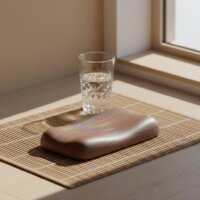
- Wood: Ideal for aesthetics and firm, unwavering support, often crafted from hardwoods like maple or walnut. Offers natural beauty, durability, and easy cleaning, but lacks cushioning.
- Leather/Leatherette: Adds luxury and style, providing a firm surface often with foam or gel filling. Can be pricier, require more maintenance, and breathability may be a concern.
- Silicone/Rubber: Exceptionally durable, hygienic, and non-slip, perfect for frequent cleaning. Tends to be firm, offering less cushioning and contouring than foam or gel.
The “best” material depends on personal preference, typing habits, and specific needs for comfort, hygiene, and aesthetics.
How to Choose the Perfect Ergonomic Keyboard Wrist Rest
Finding the ideal wrist rest involves a few key considerations to ensure it complements your individual setup and maximizes its benefits.
Match Keyboard Size and Height
The wrist rest should align perfectly with the front edge of your keyboard, matching its width and height. Avoid rests that are too tall or too short, as this can force your wrists into an unnatural angle, doing more harm than good. For compact keyboards, you’ll need a shorter rest, while a full-size keyboard demands a longer one.
Consider Firmness vs. Softness
OSHA (Occupational Safety and Health Administration) suggests supports that are “fairly soft and rounded” to minimize pressure. However, a rest that’s too soft might cause your wrists to sink, defeating the purpose of neutral support. Aim for something firm enough to maintain alignment but cushioned enough to be comfortable.
Evaluate Material Based on Needs
Consider your priorities: durability and easy cleaning (silicone/wood), plush comfort (memory foam), or a luxurious feel (leather). Let your daily routine guide your choice.
Design and Aesthetics
While ergonomics are paramount, the look and feel of your workspace matter. Many wrist rests offer sleek designs and various finishes to match your keyboard and desk aesthetic.
Non-Slip Base
A stable wrist rest is crucial. Look for one with a non-slip rubber or silicone base to ensure it stays firmly in place, even during intense typing sessions.
Mastering Proper Usage: It’s All About Technique
Even the best ergonomic wrist rest for keyboard setups can cause issues if used incorrectly. The key is understanding its purpose.
The “Float” Method
You shouldn’t press your wrists into the rest while actively typing. Instead, your wrists should hover slightly above the rest, with your hands moving freely. The wrist rest is primarily for pauses between typing bursts, providing a comfortable spot to rest your palms and wrists, allowing muscles to relax and preventing them from resting on a hard surface.
Maintaining a Neutral Angle
Always strive for a straight line from your forearm through your hand. The wrist rest should help you achieve this, not force your wrists to bend upwards or downwards.
Correct Placement
Position the wrist rest flush against the front edge of your keyboard. When your fingers are on the home row keys, your palms should be just above or lightly touching the rest.
Desk and Chair Alignment
A wrist rest is one piece of a larger ergonomic puzzle. Ensure your chair and desk are adjusted so your forearms are parallel to the floor and your elbows are close to your body at a 90-degree angle. This holistic approach maximizes comfort and minimizes strain.
Importance of Breaks and Stretches
Even with a perfect setup, regular breaks are vital. Take a few minutes every hour to stand up and stretch your hands, fingers, and wrists. Simple exercises can do wonders for circulation and flexibility.
Common Myths and Misconceptions
One common debate is whether wrist rests do “more harm than good.” This usually stems from improper usage. When people lean heavily on their wrist rests while typing, it can indeed put pressure on the carpal tunnel. However, when used correctly – as a support during pauses to maintain a neutral wrist position – an ergonomic wrist rest is overwhelmingly beneficial. The goal isn’t to rest on it all the time, but to prevent your wrists from bending or resting on a hard surface.
Expert Insight
“The integration of an ergonomic wrist rest, especially with today’s diverse keyboard designs, is a cornerstone of proactive health in a digital workspace,” says Dr. Amelia Vance, a leading expert in occupational ergonomics. “It’s about creating a harmonious environment where your body can perform its best without succumbing to the cumulative stress of modern work. A well-chosen and properly used wrist rest is an invaluable ally in this endeavor.”
Maintenance Tips for Longevity
To ensure your ergonomic wrist rest continues to provide optimal support, a little care goes a long way:
- Cleaning: Most fabric, gel, or memory foam rests can be gently wiped with a damp cloth and mild soap. Wooden rests can be cleaned with a damp cloth and dried thoroughly. Always allow it to dry completely before reuse.
- Avoid Harsh Chemicals: Strong cleaning agents can damage the material.
- Placement: Keep it away from direct sunlight or extreme temperatures, which can degrade certain materials over time.
Frequently Asked Questions (FAQ)
Q: How high should a wrist rest be?
A: An ergonomic wrist rest should be roughly the same height as the front edge of your keyboard. Its purpose is to keep your wrists in a neutral, straight line, not to elevate them excessively or allow them to drop.
Q: Can a wrist rest cure carpal tunnel syndrome?
A: While an ergonomic wrist rest can significantly help prevent and alleviate symptoms of carpal tunnel syndrome by promoting a neutral wrist posture, it cannot “cure” an existing advanced condition. For severe symptoms, consulting a medical professional is recommended.
Q: Should I use a wrist rest for gaming?
A: Absolutely! Gamers often spend extended periods with intense, repetitive hand movements. An ergonomic wrist rest for your keyboard and mouse can greatly reduce fatigue and prevent strain, allowing you to game comfortably for longer.
Q: How do I clean my wrist rest?
A: Most wrist rests can be cleaned by gently wiping them with a damp cloth and a mild soap solution. For wooden rests, simply wipe and dry. Always check the manufacturer’s instructions for specific care, and ensure the rest is completely dry before using it again.
Q: Are integrated wrist rests better than standalone ones?
A: Both integrated and standalone wrist rests can be effective. Integrated rests offer seamless design, while standalone options provide more flexibility in material, firmness, and positioning. The “better” option depends on your keyboard and personal preference.
Embrace a Healthier Typing Experience Today
An ergonomic wrist rest for your keyboard isn’t just another accessory; it’s an investment in your long-term health and comfort. By understanding the different types, materials, proper usage, and the significant benefits they offer, you’re empowered to make an informed choice that will improve your typing experience. Say goodbye to wrist pain and hello to a more comfortable, productive, and healthier computing life. Take the first step towards optimized ergonomics – your wrists will thank you for it.
Get our weekly buyer guide
Practical specs, not advice. Unsubscribe anytime.
The wrist rest is pretty good for the price, and it definitely feels supportive. I appreciate how it helps maintain a neutral wrist position. My only minor complaint is that it slides around a bit on my desk, which can be a little annoying when I’m really getting into a typing rhythm. I wish it had a bit more grip on the bottom, but overall, it’s an improvement over not having one.
I was skeptical about how much a wrist rest could help, but I’m pleasantly surprised. I chose one from the mid-range price point, and the quality is excellent. It’s comfortable and has definitely reduced the muscle fatigue in my upper arms that I used to experience. It’s not a miracle cure, but it’s a solid step towards better workstation ergonomics.
As someone who spends 8+ hours a day at a keyboard, an ergonomic wrist rest is essential. This one is fantastic. The cushioning is just right, providing that crucial support to prevent carpal tunnel issues. I can feel the difference in my wrists and hands by the end of the day – much less strain. It’s clear MMPok knows their stuff when it comes to improving well-being at the computer.
I’ve been using the ergonomic wrist rest for my keyboard for about a month now, and it’s made a huge difference. My wrists used to ache after long coding sessions, but now I can type for hours without any discomfort. It really does help keep my wrists straight, just like the post mentioned, and I’ve noticed less tension in my forearms too. Definitely a game-changer for anyone spending a lot of time at their computer.