In our increasingly digital world, where keyboards and mice have become extensions of our hands, the simple act of typing or clicking can, over time, lead to discomfort, strain, and even chronic conditions. If you’ve ever felt a nagging ache in your wrists, experienced tingling fingers, or noticed pressure marks after a long session at your computer, it might be time to consider a dedicated ergonomic solution: the Wrist Rest. Far from being just another desk accessory, a well-chosen and correctly used wrist rest can be a game-changer for your comfort, health, and productivity.
What Exactly is a Wrist Rest and Why Does it Matter?
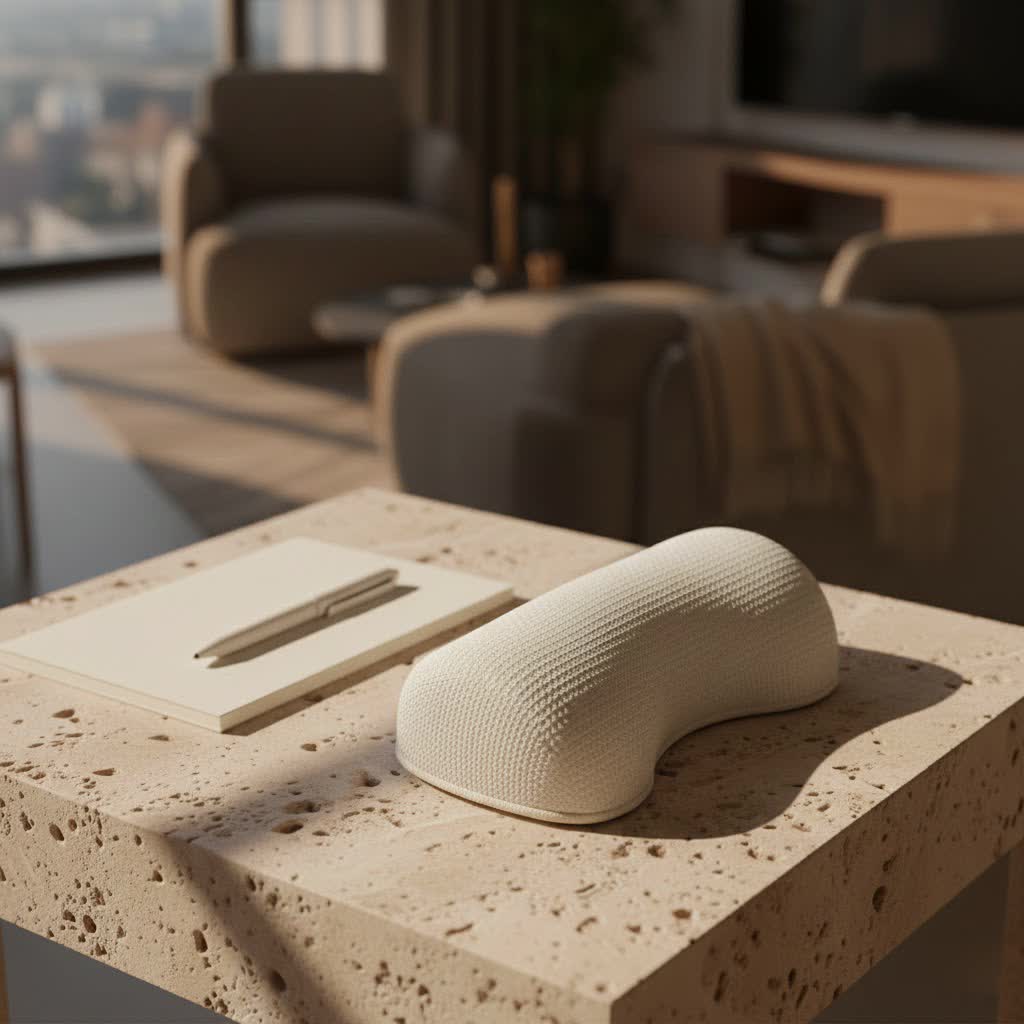
At its core, a wrist rest is a supportive pad, typically crafted from soft materials, designed to be placed in front of your keyboard or mouse. Its primary purpose isn’t to bear the full weight of your wrists while you’re actively typing, but rather to provide a comfortable, neutral surface for your palms and the heels of your hands during those crucial pauses between keystrokes or mouse movements. Think of it as a gentle anchor, encouraging proper alignment and alleviating stress on the delicate structures within your wrists.
Why does this matter so much? Without proper support, many of us unconsciously extend or flex our wrists upwards or downwards, placing undue pressure on nerves, tendons, and blood vessels. This awkward positioning, compounded by repetitive motion, lays the groundwork for a host of musculoskeletal issues. A thoughtfully integrated wrist rest works in harmony with an ergonomic setup to counteract these detrimental habits, fostering a healthier interaction with your tech.
Unlocking the Benefits: How a Wrist Rest Protects Your Health
When employed correctly, a wrist rest offers a multitude of ergonomic and health advantages that contribute to a more comfortable and sustainable computing experience.
Promotes Neutral Wrist Position
|
Our Picks for the Best Wrist Rest in 2026
As an Amazon Associate I earn from qualifying purchases.
|
||
| Num | Product | Action |
|---|---|---|
| 1 | MROCO Ergonomic Mouse Pad with Gel Wrist Rest, Smooth Wrist Support Surface, Non-Slip PU Base for Pain Relief, Comfortable Mousepad for Computer, Laptop, Office & Home, 9.4 x 8.1 in, Cloud Forest |

|
| 2 | LỖI |
|
| 3 | Keyboard Stand with Wrist Rest - Comfortable Wrist Pad for Easy Typing, Keyboard Tray for Office, Home, School (Fits Most Standard Keyboards) |
|
| 4 | MROCO Ergonomic Mouse Pad with Gel Wrist Rest, Smooth Wrist Support Surface, Non-Slip PU Base for Pain Relief, Comfortable Mousepad for Computer, Laptop, Office & Home, 9.4 x 8.1 in, Black Flower |
|
| 5 | MEKASS Ergonomic Wrist Rest for Keyboard and Mouse, Soft Memory Foam Keyboard Wrist Rest Set with Non-Slip Silicone Base, Easy Typing, Pain Relief, Comfort for Office, Work, Gaming (Classic Black) |
|
| 6 | GORILLA GRIP Silky Memory Foam Wrist Rest for Computer Keyboard, Mouse, Ergonomic Design for Typing Pain Relief, Desk Pads Support Hand and Arm, Mousepad Rests, Stain Resistant, 2 Piece Pad, Black |
|
| 7 | Vaydeer Wrist Rest for Keyboard and Mouse, Computer Ergonomic Wrist Support Pad, Soft Memory Foam Arm Cushion for Desk, Palm Hand Office Laptop Typing |
|
| 8 | MROCO Ergonomic Mouse Pad with Gel Wrist Rest, Comfortable Mousepad with Smooth Wrist Support Surface and Non-Slip PU Base for Pain Relief, Computer, Laptop, Office & Home, 9.4 x 8.1 in, Blue Marble |
|
| 9 | LỖI |
|
| 10 | LỖI |
|
The single most significant benefit of a wrist rest is its ability to help maintain a neutral wrist posture. This means keeping your wrists straight, aligned with your forearms, avoiding any bending up, down, or to the sides. This natural alignment minimizes the compression of nerves and tendons passing through the carpal tunnel, which is crucial for preventing painful conditions.
Alleviates Pressure Points & Reduces Strain
Hard desk edges are notoriously unforgiving. Resting your wrists directly on them creates localized pressure points, leading to soreness, red marks, and discomfort. A quality wrist rest provides a cushioned barrier, distributing pressure more evenly across the broader area of your palms. This significantly reduces strain on your hands and forearms, even during prolonged use.
Combats Repetitive Strain Injuries (RSIs)
Repetitive Strain Injuries (RSIs), such as carpal tunnel syndrome and tendonitis, are common ailments among computer users. By promoting neutral posture and reducing strain, a wrist rest plays a preventative role. It helps relax muscles between tasks and prevents the unnecessary buildup of tension that often precedes these injuries, allowing your hands and arms to recover.
Enhances Comfort and Productivity
Let’s be honest: discomfort is a huge distraction. When your wrists are aching, your focus wavers, and your efficiency plummets. A comfortable typing or mousing experience allows you to concentrate on your work or game without the constant interruption of pain. This enhanced comfort directly translates to increased productivity and a more enjoyable time at your desk.
Navigating the Landscape: Types of Wrist Rests for Every Need
Just as keyboards and mice come in various forms, so do wrist rests. Understanding the different materials and designs can help you pinpoint the ideal support for your unique setup and preferences.
Memory Foam Wrist Rests
Memory foam is a popular choice due to its exceptional ability to conform to the contours of your wrists and hands. This material offers personalized, cushioned support that slowly regains its shape when pressure is removed.
- Pros: Excellent comfort, molds to your shape, great pressure distribution.
- Cons: Can retain heat, may degrade over time, not always the easiest to clean if spills occur.
Gel Wrist Rests
Gel wrist rests are known for their soft, often squishy feel and a notable cooling sensation. They provide a comfortable, pliant surface that offers slight give without being overly soft.
- Pros: Cooling sensation, quickly returns to original shape, good support.
- Cons: Can be heavier, may develop leaks if punctured, some find them too “bouncy.”
Wooden & Hard Material Wrist Rests
For those who prefer a firmer, more stable surface, wooden or other hard material wrist rests are an excellent option. They offer a robust, unyielding support, often favored by mechanical keyboard enthusiasts who appreciate a solid feel.
- Pros: Highly durable, stylish aesthetic, very stable, easy to clean.
- Cons: Less cushioning, may not suit those seeking a softer feel, less pressure distribution.
Silicone & Fabric Wrist Rests
Silicone offers a durable, easy-to-clean, and often firmer support. Fabric-covered rests, sometimes filled with beads or other soft materials, are breathable and can be very comfortable.
- Pros: Silicone is highly durable and hygienic. Fabric offers breathability and a soft touch. Beaded rests are lightweight and conforming.
- Cons: Silicone can be too firm for some. Fabric might stain or absorb oils over time, requiring more frequent cleaning.
Keyboard vs. Mouse Wrist Rests
While some wrist rests are long enough to span an entire keyboard, others are designed specifically for mouse usage. Mouse wrist rests often accompany a mouse pad, providing targeted support for your mousing hand. You can certainly use one of each for comprehensive support across your workspace.
Your Personal Guide: Choosing the Perfect Wrist Rest
Selecting the right wrist rest isn’t a one-size-fits-all endeavor. It’s about finding the perfect match for your body, your keyboard, and your habits.
Consider Your Typing Style and Keyboard
Are you a touch typist who floats their hands, or do you tend to rest your palms? The ideal wrist rest complements your natural typing position. Also, the size of your keyboard matters. A full-sized keyboard will require a longer wrist rest, while a compact or tenkeyless keyboard pairs well with a shorter one. If your keyboard has a built-in palm rest, you might not need an additional one, or you may need to ensure any new rest sits flush without overlapping.
Material Matters: Comfort and Support
This largely comes down to personal preference.
- For soft, adaptive cushioning: Memory foam is your go-to.
- For a cool, slightly yielding feel: Gel might be perfect.
- For robust, unyielding support and a premium look: Consider wood or leatherette.
- For durability and easy cleaning: Silicone is a strong contender.
Try to find a material that feels good against your skin and provides the right balance of softness and firmness for your needs.
Finding the Right Height and Size
The height of your wrist rest is critical. It should align perfectly with the front edge of your keyboard or mouse, allowing your wrists to remain straight, without bending up or down. If a wrist rest is too tall or too short, it can actually exacerbate wrist strain. Some adjustable wrist rests allow you to fine-tune the height, offering optimal customization. For length, measure your keyboard to ensure the wrist rest provides continuous support across the keys you use most often.
Stability and Additional Features
A wrist rest that slides around your desk is more of a hindrance than a help. Look for models with a non-slip base, such as rubberized bottoms, to ensure it stays securely in place. Some wrist rests also come with beneficial features like antimicrobial coatings to inhibit bacterial growth, or easy-to-clean surfaces, which can be a significant plus for hygiene.
Mastering the Art: Correct Usage and Common Pitfalls
This is where the rubber meets the road. Even the best wrist rest can do more harm than good if not used properly.
The Golden Rule: Support During Pauses
Here’s the most crucial takeaway: a wrist rest is designed to support your palms and the heels of your hands during pauses in typing or mousing, not to be leaned on while actively typing. Your hands should float freely above the keys when you’re typing, with your wrists maintaining a neutral, straight position. When you take a break, that’s when you gently rest your palms on the support. Constant pressure on the underside of your wrists can compress nerves and blood vessels, potentially increasing the risk of carpal tunnel syndrome.
Setting Up Your Ergonomic Workspace
A wrist rest is just one piece of the ergonomic puzzle. For optimal results, ensure your entire workstation is set up correctly:
- Chair Height: Adjust your chair so your feet are flat on the floor or a footrest, and your knees are at roughly a 90-degree angle.
- Desk Height: Your forearms should be parallel to the floor, with your elbows bent at approximately 90 degrees when your hands are on the keyboard.
- Keyboard & Mouse: Position them directly in front of you, minimizing reaching.
- Posture: Sit upright, relaxed, with your shoulders down and back.
- Breaks: Take regular short breaks (every 30-60 minutes) to stretch your hands, wrists, and body.
When to Rethink Your Wrist Rest Use
While highly beneficial when used correctly, there are situations where a wrist rest might not be helping, or could even be detrimental:
- Leaning Heavily: If you find yourself pressing down firmly on the wrist rest while typing, you’re likely putting too much pressure on your wrists.
- Incorrect Positioning: If the rest causes your wrists to bend unnaturally upwards or downwards, it’s either the wrong height, wrong type, or improperly positioned.
- Short Tasks: For very brief computer use, a wrist rest may not be necessary. Its main benefits are realized during extended sessions.
Expert Insight: A Word from Dr. Anya Sharma, Ergonomics Specialist
“Many people misunderstand the fundamental role of a wrist rest,” explains Dr. Anya Sharma, a leading expert in ergonomic design and injury prevention. “It’s not a pillow for your wrists to sink into while typing. Instead, visualize it as a ‘palm rest’ – a dedicated spot for your hands to comfortably land and recover during micro-pauses. This subtle shift in usage can make a profound difference in maintaining neutral wrist alignment and preventing cumulative strain over countless hours at the keyboard.”
Frequently Asked Questions About Wrist Rests
Q: Are wrist rests really necessary?
A: While not strictly mandatory for everyone, especially if you already practice excellent posture and touch-typing techniques, wrist rests are highly beneficial for most computer users who spend extended periods typing or mousing. They provide crucial support during pauses, help maintain neutral wrist alignment, and can significantly reduce the risk of discomfort and injuries.
Q: Can a wrist rest make my carpal tunnel worse?
A: If used incorrectly – specifically by resting your actual wrists on it while actively typing and applying constant pressure – a wrist rest can indeed worsen carpal tunnel symptoms by compressing the median nerve. The key is proper usage: supporting the palms and heels of your hands during pauses, not the wrists during typing.
Q: How do I clean my wrist rest?
A: Cleaning methods vary by material. Gel and silicone rests can typically be wiped down with a damp cloth and mild soap. Fabric-covered rests might have removable, machine-washable covers, or may require spot cleaning. Wooden rests can be wiped with a damp cloth and occasionally treated with wood-safe cleaner. Always check the manufacturer’s instructions for the best care.
Q: What’s the difference between a wrist rest and a palm rest?
A: While often used interchangeably, the term “palm rest” more accurately describes the intended use. A good wrist rest should be supporting the fleshy part of your palm and the heel of your hand, not the bony underside of your wrist where nerves and blood vessels are close to the surface. So, while marketed as “wrist rests,” they function as palm supports.
Q: Should gamers use wrist rests?
A: Absolutely. Gamers often engage in intense, repetitive mouse and keyboard movements for extended periods, making them highly susceptible to wrist strain and RSIs. A well-chosen and properly used wrist rest, especially those designed for gaming with firm yet comfortable support, can significantly enhance comfort, reduce fatigue, and help prevent injuries, allowing gamers to maintain focus and performance.
Conclusion
The journey to a more comfortable and pain-free computing experience often starts with small, deliberate changes. Investing in a quality wrist rest and, more importantly, understanding how to integrate it correctly into your ergonomic setup, is a pivotal step. By embracing proper posture, utilizing your wrist rest effectively for pauses, and recognizing its role as a supportive companion rather than a constant crutch, you empower yourself to work and play longer, healthier, and with greater ease. Your wrists will thank you for it, and your overall well-being at the desk will undoubtedly flourish.
