Spending long hours at your computer? Whether you’re coding, gaming, or simply typing up reports, the strain on your wrists can be a real concern. This is where a Tenkeyless Wrist Rest, often referred to as a TKL wrist rest, steps in as an unsung hero. Unlike full-sized keyboards that include a dedicated number pad, tenkeyless keyboards are more compact, offering a streamlined design that saves valuable desk real estate. A properly sized TKL wrist rest is specifically designed to complement these smaller keyboards, providing essential ergonomic support right where you need it most. Investing in the right wrist rest isn’t just about adding another accessory to your desk; it’s about prioritizing your health, comfort, and long-term productivity in an increasingly digital world.
The “Why” Behind a Tenkeyless Wrist Rest: Unlocking Ergonomic Bliss
|
Our Picks for the Best Wrist Rest in 2026
As an Amazon Associate I earn from qualifying purchases.
|
||
| Num | Product | Action |
|---|---|---|
| 1 | Vaydeer Wrist Rest for Keyboard and Mouse, Computer Ergonomic Wrist Support Pad, Soft Memory Foam Arm Cushion for Desk, Palm Hand Office Laptop Typing |

|
| 2 | LỖI |
|
| 3 | MROCO Ergonomic Mouse Pad with Gel Wrist Rest, Smooth Wrist Support Surface, Non-Slip PU Base for Pain Relief, Comfortable Mousepad for Computer, Laptop, Office & Home, 9.4 x 8.1 in, Black Flower |
|
| 4 | Keyboard Stand with Wrist Rest - Comfortable Wrist Pad for Easy Typing, Keyboard Tray for Office, Home, School (Fits Most Standard Keyboards) |
|
| 5 | LỖI |
|
| 6 | MROCO Ergonomic Mouse Pad with Gel Wrist Rest, Smooth Wrist Support Surface, Non-Slip PU Base for Pain Relief, Comfortable Mousepad for Computer, Laptop, Office & Home, 9.4 x 8.1 in, Cloud Forest |
|
| 7 | GORILLA GRIP Silky Memory Foam Wrist Rest for Computer Keyboard, Mouse, Ergonomic Design for Typing Pain Relief, Desk Pads Support Hand and Arm, Mousepad Rests, Stain Resistant, 2 Piece Pad, Black |
|
| 8 | LỖI |
|
| 9 | MROCO Ergonomic Mouse Pad with Gel Wrist Rest, Comfortable Mousepad with Smooth Wrist Support Surface and Non-Slip PU Base for Pain Relief, Computer, Laptop, Office & Home, 9.4 x 8.1 in, Blue Marble |
|
| 10 | MEKASS Ergonomic Wrist Rest for Keyboard and Mouse, Soft Memory Foam Keyboard Wrist Rest Set with Non-Slip Silicone Base, Easy Typing, Pain Relief, Comfort for Office, Work, Gaming (Classic Black) |
|
Why should you even consider a tenkeyless wrist rest? The benefits extend far beyond simple comfort, diving deep into the realm of long-term health and efficiency. Tenkeyless keyboards themselves offer an inherent ergonomic advantage by removing the number pad. This allows your mouse to be positioned closer to your body, reducing the need to reach outwards and thereby lessening strain on your shoulders and arms. When paired with a dedicated tenkeyless wrist rest, this setup becomes a powerhouse of ergonomic design.
Reducing Wrist Strain and Discomfort: When you type or game for extended periods without proper support, your wrists often bend either upwards or downwards. This awkward positioning puts undue stress on your tendons and nerves. A quality tenkeyless wrist rest gently elevates your wrists, encouraging a neutral, straight alignment that mirrors how your hands naturally rest. This simple adjustment can significantly alleviate the fatigue and soreness that often accompany prolonged computer use.
Preventing Repetitive Strain Injuries (RSIs): The neutral wrist position fostered by a TKL wrist rest is crucial in safeguarding against a host of repetitive strain injuries, such as carpal tunnel syndrome and tendonitis. These conditions arise from repeated movements and awkward postures, leading to pain, numbness, and tingling. By providing consistent support and maintaining optimal alignment, a wrist rest minimizes the harmful impact of repetitive typing, acting as a proactive shield for your wrist health.
Enhancing Comfort and Productivity: Imagine working or gaming for hours without the nagging discomfort in your wrists. A well-chosen tenkeyless wrist rest makes this a reality. The cushioning effect reduces pressure points, allowing you to maintain focus and concentration for longer durations. When you’re comfortable, you’re more productive, and your creative flow remains uninterrupted.
Improved Posture: While a wrist rest directly supports your wrists, its benefits can subtly ripple through your entire upper body. When your wrists are properly aligned, you’re less likely to hunch over your keyboard or crane your neck. This encourages a more upright and natural sitting posture, diminishing tension in your neck, shoulders, and back.
Decoding the Materials: What’s Your Ideal Tenkeyless Companion?
Just like choosing a comfortable pair of shoes, selecting the right material for your tenkeyless wrist rest is a personal journey. Each material offers a unique blend of feel, support, durability, and aesthetic appeal, directly influencing your ergonomic experience.
Memory Foam & Gel-Infused Memory Foam: These are perhaps the most popular choices for wrist rests, and for good reason. Memory foam excels at conforming to the unique contours of your wrists, distributing pressure evenly and providing a soft, cushioned feel. When infused with cooling gel, it tackles the common issue of heat retention, keeping your wrists feeling fresh even during intense, prolonged sessions. This makes it a fantastic option for those prioritizing plush comfort and a cool touch.
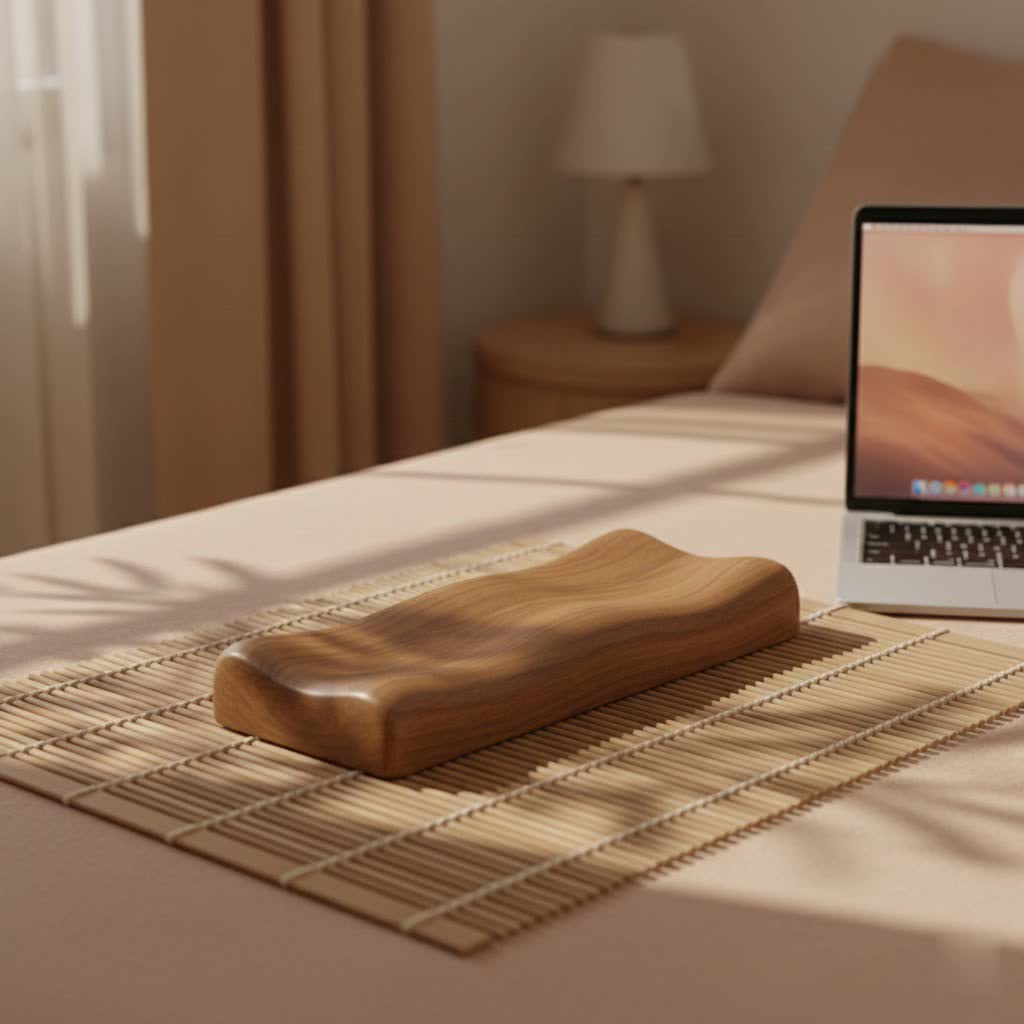
Wood: For a touch of natural elegance and robust support, wooden tenkeyless wrist rests are an excellent choice. Typically crafted from hardwoods like walnut or maple, they offer a firm, stable surface that doesn’t compress over time. While they lack the softness of foam or gel, many users appreciate the solid, unwavering support and the unique aesthetic a beautiful wooden wrist rest brings to their workspace. They are also incredibly durable and often easy to clean.
Leather/PU Leather: If you’re seeking a blend of luxury, durability, and a comfortable yet firm surface, leather or PU leather wrist rests might be your perfect match. These materials offer a premium look and feel, often incorporating foam or gel fillings underneath for added cushioning. Leather wrist rests are built to last, developing a unique patina over time, and they provide a sophisticated touch to any desk setup.
Silicone/Plastic: Silicone and plastic wrist rests typically offer a firmer support compared to foam, and they shine in terms of durability and ease of maintenance. Silicone, in particular, is highly resistant to spills and can be wiped clean effortlessly, making it a practical choice for busy environments or those prone to accidental messes. While generally firmer, modern designs often incorporate ergonomic shaping to ensure comfort.
“Choosing the right material isn’t just about feel; it’s about matching it to your typing style and environment for long-term comfort and support,” says Dr. Anya Sharma, an ergonomics specialist. She emphasizes considering how your skin reacts to different textures and whether you tend to run warm or cool, as these factors play a significant role in overall satisfaction.
Finding Your Perfect Fit: A Tenkeyless Wrist Rest Buying Guide
Selecting the ideal tenkeyless wrist rest involves more than just picking a pretty color. It’s about ensuring it seamlessly integrates with your existing setup and caters to your unique ergonomic needs. Here’s a checklist to guide your decision:
Size and Compatibility: This is paramount for any TKL wrist rest. Since tenkeyless keyboards ditch the number pad, they are inherently shorter than full-sized models. Your wrist rest should perfectly match the length of your TKL keyboard – typically around 14 inches (approximately 35-36 cm). A rest that’s too long will look awkward and take up unnecessary space, while one that’s too short won’t provide consistent support across your entire typing area. Always double-check the dimensions of both your keyboard and the wrist rest before making a purchase.
Height Alignment: The primary purpose of a wrist rest is to maintain a neutral wrist angle, meaning your wrists should remain straight, not bent up or down. The height of your tenkeyless wrist rest should perfectly align with the front edge of your keyboard. You want your palms to gently rest on the support, allowing your fingers to “float” naturally over the keys. If the rest is too high, it can force your wrists into an unnatural upward bend, creating new strain. Too low, and it becomes ineffective. Aim for a height that lets your forearms and hands form a straight line to the keyboard.
Firmness Levels: Personal preference truly shines here.
- Soft, Cushioned Rests (e.g., memory foam, gel): These are fantastic for maximum comfort, especially during long typing sessions or office work where gentle support is prioritized. They conform to your wrists, reducing pressure points.
- Firmer Rests (e.g., wood, harder silicone, dense leather): These offer more stable and consistent support. Gamers often prefer firmer rests for quicker, more precise movements and enhanced durability. If you prefer a solid base and less “give,” a firmer option might be for you.
Anti-Slip Features: A wrist rest that constantly slides around your desk is more of a hindrance than a help. Look for models with a non-slip rubber base or similar grip-enhancing features. This ensures your tenkeyless wrist rest stays firmly in place, providing reliable support exactly where you need it, especially during fast-paced activities like gaming or high-volume typing.
Design and Aesthetics: While functionality is key, don’t underestimate the power of a visually appealing workspace. A tenkeyless wrist rest comes in various colors, finishes, and designs. Choose one that complements your keyboard and overall desk aesthetic, creating a cohesive and inspiring environment. After all, if you love how your workspace looks, you’re more likely to enjoy spending time there.
Maximizing Your Tenkeyless Wrist Rest: Usage and Care Tips
Having the perfect tenkeyless wrist rest is just the first step; knowing how to use it correctly and maintain it will ensure you reap its full benefits for years to come.
Proper Placement: Your wrist rest should sit directly in front of your tenkeyless keyboard. The key is to support your palms, not your wrists, when you take a break from typing. When you’re actively typing, your hands should hover slightly above the keyboard, with your fingers gently curved. The wrist rest acts as a comfortable “landing strip” for your hands during pauses, allowing your muscles to relax and preventing undue pressure on your carpal tunnel.
Typing Technique: Embrace the “floating hands” technique. While your wrist rest provides excellent support during breaks, try to avoid resting your wrists on it constantly as you type. Instead, keep your wrists lifted and straight, letting your fingers do the work. This minimizes friction and pressure on the sensitive nerves and tendons in your wrists. When you need a moment to think or reposition, gently lower your palms onto the rest.
Maintaining a Healthy Workspace: Your tenkeyless wrist rest is one piece of a larger ergonomic puzzle. Ensure your chair is at the correct height, allowing your feet to be flat on the floor and your elbows to be at a 90-degree angle. Your monitor should be at eye level to prevent neck strain. A holistic approach to ergonomics will amplify the benefits of your wrist rest. Remember, a wrist rest works best when paired with proper posture and desk alignment.
Cleaning and Maintenance: Different materials require different care, but general cleanliness extends the life of your wrist rest.
- Fabric/Memory Foam: Gently spot clean with a damp cloth and mild soap. Allow it to air dry completely. Avoid harsh chemicals.
- Gel/Silicone: These are typically very easy to clean with a damp cloth and mild detergent.
- Wood: Wipe with a soft, dry or slightly damp cloth. Avoid excessive moisture. Some wooden rests may benefit from occasional treatment with wood oil to maintain their finish.
- Leather/PU Leather: Wipe with a damp cloth. For stubborn spots, a specialized leather cleaner can be used, followed by a conditioner.
Common Questions About Tenkeyless Wrist Rests
Let’s address some of the most frequently asked questions about tenkeyless wrist rests to ensure you have all the information you need.
Q: Do tenkeyless wrist rests really help prevent carpal tunnel?
A: Yes, when used correctly, tenkeyless wrist rests can significantly contribute to preventing carpal tunnel syndrome. They help maintain a neutral wrist posture, reducing pressure on the median nerve, which is a key factor in the development of carpal tunnel. However, they are most effective as part of an overall ergonomic setup and healthy typing habits.
Q: How often should I replace my tenkeyless wrist rest?
A: The lifespan of a tenkeyless wrist rest depends heavily on its material and usage. Memory foam and gel rests might show signs of wear, compression, or loss of resilience after 1-2 years of heavy use. Wooden or high-quality leather rests can last much longer, often many years, with proper care. Replace it when you notice a significant decrease in support or comfort.
Q: Can I use a full-size wrist rest with a TKL keyboard?
A: While technically possible, it’s generally not recommended. A full-size wrist rest will be longer than your tenkeyless keyboard, creating an uneven aesthetic and potentially interfering with mouse movement on the side where the number pad would normally be. For optimal ergonomics and a clean look, always match the wrist rest size to your keyboard.
Q: What’s the ideal height for a tenkeyless wrist rest?
A: The ideal height for a tenkeyless wrist rest is one that keeps your wrists perfectly straight and parallel to your desk surface, aligning with the bottom edge of your keyboard. Your hands should be able to “float” over the keys with your palms comfortably resting on the support during breaks, avoiding any upward or downward bending of your wrists.
Q: Are wooden tenkeyless wrist rests comfortable for long sessions?
A: Wooden tenkeyless wrist rests offer firm support rather than plush cushioning. Many users find this firm support very comfortable for long sessions as it maintains consistent wrist alignment. However, comfort is subjective. If you prefer a softer feel that molds to your wrist, memory foam or gel might be a better fit.
Conclusion
In the demanding world of modern computing, your hands and wrists are your most valuable tools. Investing in a high-quality tenkeyless wrist rest isn’t just a luxury; it’s a smart, proactive step towards maintaining your long-term health, comfort, and productivity. By understanding the ergonomic benefits, exploring the diverse materials, and knowing how to choose and use your wrist rest effectively, you can transform your workspace into a haven of comfort and efficiency.
Don’t let wrist discomfort slow you down or compromise your well-being. Embrace the ergonomic advantages a tenkeyless wrist rest offers and experience the difference it makes in your daily life. Visit MMPok.com today to explore our curated selection of premium tenkeyless wrist rests and find the perfect ergonomic partner for your keyboard. Your wrists will thank you!
