A gaming mouse wrist rest is crucial for dedicated gamers, providing essential support to prevent discomfort, fatigue, and serious injuries like carpal tunnel syndrome during intense sessions. It transforms a gaming setup into an ergonomically superior environment, allowing for longer, healthier, and more comfortable gameplay. For example, the Deltahub Carpio G2.0 features adjustable silicone pads that move with your hand, offering unique gliding support.

This guide explores why a mouse wrist rest is vital for your gaming arsenal, details various types available, and provides knowledge to choose the perfect one for your battle station. For expert ergonomic computer reviews on this site.
Why a Gaming Mouse Wrist Rest is Your MVP (Most Valuable Peripheral)
Think of your mouse wrist rest as your gaming co-pilot, providing essential support that elevates your experience beyond just winning. It’s about preserving your body for countless gaming adventures ahead.
Preventing Pain and Injury
Repetitive strain injuries (RSIs) are a real concern for gamers. Conditions like carpal tunnel syndrome, tendinitis, and wrist impingement can sideline you, turning your passion into a painful chore. A gaming mouse wrist rest provides crucial support, reducing the stress on your tendons and nerves by maintaining a more natural wrist posture. It helps absorb the constant pressure from your wrist resting on a hard desk, mitigating the risk of long-term damage.
Ergonomic Alignment for Peak Performance
Proper ergonomics isn’t just for office workers; it’s vital for gamers. A well-designed wrist rest encourages a neutral wrist position, meaning your wrist isn’t bent excessively up, down, or to the side. This alignment is key to reducing strain and promoting better blood circulation. When your wrist is properly aligned, your hand and forearm muscles work more efficiently, allowing for smoother, more controlled mouse movements – a definite advantage in fast-paced games.
Enhanced Comfort for Extended Sessions
Long gaming sessions are a staple for many, but discomfort can quickly break immersion. A soft, supportive wrist rest cushions your hand, distributing pressure evenly and reducing overall fatigue. This increased comfort allows you to play for longer periods without the nagging aches and pains that typically cut your sessions short. It’s about making every moment at your PC enjoyable, not just bearable.
Improved Focus and Control
When you’re comfortable, you’re focused. A stable wrist position provided by a quality rest minimizes involuntary micro-movements and distractions caused by discomfort. This stability translates directly to better in-game control, allowing for more precise aim and quicker reactions. You’ll find yourself more immersed in the game, making better decisions, and ultimately, improving your performance.
Deciphering the Design: Types of Mouse Wrist Rests for Gaming
The world of gaming mouse wrist rests offers a variety of materials and designs, each with its own set of advantages. Understanding these differences is key to finding your ideal match.
Memory Foam Wrist Rests
|
Our Picks for the Best Wrist Rest in 2026
As an Amazon Associate I earn from qualifying purchases.
|
||
| Num | Product | Action |
|---|---|---|
| 1 | LỖI |

|
| 2 | MROCO Ergonomic Mouse Pad with Gel Wrist Rest, Comfortable Mousepad with Smooth Wrist Support Surface and Non-Slip PU Base for Pain Relief, Computer, Laptop, Office & Home, 9.4 x 8.1 in, Blue Marble |
|
| 3 | LỖI |
|
| 4 | MROCO Ergonomic Mouse Pad with Gel Wrist Rest, Smooth Wrist Support Surface, Non-Slip PU Base for Pain Relief, Comfortable Mousepad for Computer, Laptop, Office & Home, 9.4 x 8.1 in, Cloud Forest |
|
| 5 | MROCO Ergonomic Mouse Pad with Gel Wrist Rest, Smooth Wrist Support Surface, Non-Slip PU Base for Pain Relief, Comfortable Mousepad for Computer, Laptop, Office & Home, 9.4 x 8.1 in, Black Flower |
|
| 6 | Vaydeer Wrist Rest for Keyboard and Mouse, Computer Ergonomic Wrist Support Pad, Soft Memory Foam Arm Cushion for Desk, Palm Hand Office Laptop Typing |
|
| 7 | GORILLA GRIP Silky Memory Foam Wrist Rest for Computer Keyboard, Mouse, Ergonomic Design for Typing Pain Relief, Desk Pads Support Hand and Arm, Mousepad Rests, Stain Resistant, 2 Piece Pad, Black |
|
| 8 | MEKASS Ergonomic Wrist Rest for Keyboard and Mouse, Soft Memory Foam Keyboard Wrist Rest Set with Non-Slip Silicone Base, Easy Typing, Pain Relief, Comfort for Office, Work, Gaming (Classic Black) |
|
| 9 | LỖI |
|
| 10 | Keyboard Stand with Wrist Rest - Comfortable Wrist Pad for Easy Typing, Keyboard Tray for Office, Home, School (Fits Most Standard Keyboards) |
|
Memory foam is a popular choice, known for its ability to conform to the shape of your wrist and hand. It offers excellent pressure distribution and a soft, cushioned feel. Many modern gaming memory foam rests are infused with cooling gel or designed with breathable fabrics to combat heat buildup, a common concern during intense gaming. Brands like Razer and HyperX offer memory foam options specifically tailored for gamers, often incorporating cooling features.
Gel Wrist Rests
Gel wrist rests typically provide a cool, soft sensation and offer a good balance of support with a slight give. They can be very comfortable, molding to your contours. However, some gel designs might be too soft for certain preferences or may not offer uniform support across the wrist. It’s also some gel materials can lead to sweating if not properly ventilated. Kensington offers well-regarded gel options for both mouse and keyboard.
Silicone Wrist Rests
Silicone wrist rests are often firmer and are praised for their durability and ease of cleaning. They offer sturdy support and often feature excellent anti-slip properties, ensuring they stay put during vigorous gameplay. The Deltahub Carpio G2.0 is a prime example, featuring an innovative design with adjustable silicone pads that move with your hand, offering a unique gliding experience tailored for gamers.
Wooden Wrist Rests
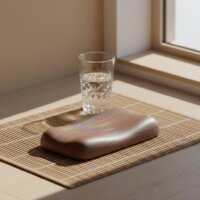
For those who appreciate a blend of aesthetics and firm support, wooden wrist rests are a stylish option. Made from materials like white ash, they offer a smooth, flat surface. While they provide less cushioning than foam or gel, they deliver consistent, solid support and are highly durable. Glorious Gaming offers popular wooden wrist rests that can add a premium touch to any gaming setup.
Mouse Pads with Integrated Wrist Rests
Some mouse pads come with built-in wrist rests, offering an all-in-one solution. These can be convenient, ensuring a consistent surface for your mouse and a dedicated resting spot. However, the fixed position of the wrist rest might not suit everyone’s ergonomic needs or preferred mouse grip. Brands like Gimars offer combo sets that include both keyboard and mouse wrist rests, providing comprehensive support.
Choosing Your Weapon: How to Select the Best Gaming Mouse Wrist Rest
Selecting the right gaming mouse wrist rest involves a personal touch. What works for one gamer might not work for another. Here’s what to consider:
Material Matters
Your choice of material directly impacts comfort and support.
- Soft vs. Firm: Do you prefer a plush cushion that cradles your hand, or a firmer surface that offers more rigid support? Memory foam and gel tend to be softer, while silicone and wood are firmer.
- Breathability and Cooling: If you experience sweaty wrists during long sessions, look for materials with cooling gel infusions, perforated designs, or breathable fabric covers.
- Optimal Hand Placement: As an ergonomics specialist, I always emphasize this: rest the heel of your hand, not your actual wrist, on the support. Placing pressure directly on the underside of your wrist can compress nerves and tendons, potentially exacerbating carpal tunnel issues. The fleshy part of your palm provides a natural cushion that can safely benefit from the rest.
Ergonomics and Posture
The primary goal is to maintain a neutral wrist angle, ideally with a slight extension of 10-15 degrees. Test how different wrist rests align your hand. It should feel natural, not forced. The rest should improve your hand just enough to align it comfortably with your mouse, preventing your wrist from bending downwards or upwards excessively.
Size and Compatibility
Consider the size of your mouse and how you grip it. Some wrist rests are designed for smaller mice, while others are wider. If you use a gaming mouse pad with a lot of surface area, you might prefer a standalone mouse wrist rest for maximum flexibility in positioning. For compact setups, an integrated wrist rest with your mouse pad might be more suitable.
Stability
A gaming wrist rest needs to stay put. Look for models with anti-slip rubber bases to prevent frustrating shifts during critical moments in your game. A stable rest ensures consistent support and prevents you from having to constantly readjust.
Durability and Maintenance
Gaming gear takes a beating. Choose a wrist rest with durable materials and well-stitched edges to prevent fraying and wear. Consider how easy it is to clean – spill-resistant or wipeable surfaces are a huge plus for maintaining hygiene and longevity.
Personal Preference
Comfort is subjective. What feels good to you is paramount. Don’t be afraid to try different types if possible. Read reviews from other gamers who share similar playing styles or ergonomic needs.
Beyond the Rest: Maximizing Your Gaming Ergonomics
While a mouse wrist rest is a major upgrade, it’s just one piece of the ergonomic puzzle. For truly optimal health and comfort, consider your entire setup:
- Proper Desk and Chair Height: Ensure your feet are flat on the floor, and your elbows are at roughly a 90-degree angle when using your mouse and keyboard.
- Monitor Placement: Position your monitor at eye level to prevent neck strain.
- Regular Breaks and Stretches: Take short breaks every hour to stretch your wrists, hands, and shoulders.
- Overall Posture Awareness: Sit up straight, engage your core, and avoid slouching.
“Many gamers focus solely on hardware for performance, but true optimization includes your body,” advises Dr. Anya Sharma, Lead Ergonomics Specialist at MMPok. “A well-chosen mouse wrist rest, used correctly, can significantly reduce the risk of common gaming injuries and enhance your overall experience. It’s about proactive health, not reactive pain management.”
Frequently Asked Questions (FAQ)
Q: Are mouse wrist rests actually good for gaming?
A: Yes, absolutely! When used correctly by supporting the heel of your hand, a mouse wrist rest can significantly reduce strain and fatigue, prevent common gaming-related injuries like carpal tunnel syndrome, and provide a stable base for improved precision and comfort during long gaming sessions.
Q: What’s the best material for a gaming wrist rest?
A: The “best” material depends on personal preference. Memory foam offers soft, conforming support; gel provides a cool, cushioned feel; silicone is durable and firm; and wood offers rigid, aesthetic support. Many gamers prefer memory foam with cooling gel for its blend of comfort and heat management.
Q: How should I properly use a mouse wrist rest while gaming?
A: The key is to rest the heel of your hand (the fleshy part at the base of your palm) on the wrist rest, not your actual wrist. This prevents pressure on the delicate carpal tunnel area and helps maintain a neutral, slightly extended wrist posture, reducing strain.
Q: Can a mouse wrist rest improve my gaming performance?
A: While a wrist rest won’t directly improve your reflexes or aim, it provides a stable and comfortable foundation for your hand. This stability can lead to more consistent, precise mouse movements and reduce fatigue, indirectly allowing you to maintain peak performance for longer periods without discomfort or distraction.
Q: How often should I replace my gaming wrist rest?
A: The lifespan varies by material and usage. Memory foam and gel rests might compress or lose shape over 1-3 years. Silicone and wooden rests tend to be more durable. Replace your wrist rest when you notice it no longer provides adequate support, feels uncomfortable, or shows significant signs of wear and tear.
Final Thoughts: Invest in Your Game, Invest in Your Health
In the demanding world of gaming, every advantage counts – and that includes your personal comfort and long-term health. A high-quality gaming mouse wrist rest is far more than a luxury; it’s an essential tool for protecting your most valuable assets: your hands and wrists. By choosing the right material, focusing on ergonomic alignment, and adopting proper usage, you’re not just buying an accessory; you’re investing in countless hours of pain-free, high-performance gaming.
So, take a moment to evaluate your setup. If discomfort is a familiar foe, it’s time to equip yourself with the ultimate defense. Explore the options, find your perfect match, and improve your game while safeguarding your health. Your wrists will thank you, and your kill-death ratio might just see an unexpected boost!
Select the Best Gaming Mouse Wrist Rest
Choosing the right gaming mouse wrist rest involves considering material, ergonomics, size, stability, durability, and personal preference to ensure optimal comfort and support.
Evaluate whether you prefer a soft (memory foam, gel) or firm (silicone, wood) surface. Look for features like cooling gel or breathable fabrics if you experience sweaty wrists during long gaming sessions.
Ensure the wrist rest helps maintain a neutral wrist angle, ideally with a slight extension of 10-15 degrees. The rest should elevate your hand just enough to align it comfortably with your mouse, preventing excessive bending.
Consider the size of your mouse and grip style. Some wrist rests are designed for smaller mice, while others are wider. Decide if a standalone rest or an integrated mouse pad with a wrist rest is better for your setup.
Look for models with anti-slip rubber bases to prevent movement during gameplay. Choose durable materials and well-stitched edges to ensure longevity, and consider how easy the material is to clean.
Ultimately, comfort is subjective. Try different types if possible and read reviews from other gamers with similar playing styles or ergonomic needs to find what feels best for you.
Get our weekly buyer guide
Practical specs, not advice. Unsubscribe anytime.
I tried one of the memory foam wrist rests mentioned, hoping it would help with my fatigue during long work hours. While it’s soft, I find it doesn’t offer as much firm support as I expected. My wrist still feels a bit tired by the end of the day, though it’s better than not having one at all. Maybe I need to try a different type.
I’ve been using the Deltahub Carpio G2.0 for a few weeks now, and it’s a game-changer. My wrist used to ache after long gaming sessions, but the gliding support really makes a difference. It moves so smoothly with my hand, and I don’t feel any pressure points. Definitely worth the investment for serious gamers.
This guide really opened my eyes to how crucial a gaming mouse wrist rest is. I always thought they were just a gimmick, but after getting a hard-surface one, my precision in FPS games has actually improved because my wrist isn’t dragging. Plus, no more discomfort after a raid! It’s truly an MVP for my battle station.
I picked up a gel-filled wrist rest after reading about how important they are for preventing carpal tunnel. It’s much better than nothing, and my wrist feels less strained. I just wish it was a little wider for my hand, but overall, it’s a solid improvement to my setup.