In our increasingly digital world, many of us spend countless hours typing away at keyboards. Whether you’re a professional coder, a dedicated gamer, or simply someone who uses a computer daily, the repetitive motions and sustained postures can take a toll on your wrists and hands. This is where a high-quality Wrist And Keyboard Rest comes into play, transforming your typing experience from a potential pain point into one of comfort and long-term health. Think of it as investing in your hands’ future, preventing those nagging aches and serious conditions before they even start. We’re here to demystify these essential accessories, helping you understand why they’re crucial and how to choose the perfect one for your unique needs.
Why You Need a Wrist Rest: Beyond Just Comfort
Many people view a wrist and keyboard rest as a luxury, but from an ergonomic perspective, it’s a necessity. It’s not just about feeling a bit softer under your hands; it’s about strategic support and alignment that can significantly impact your health and productivity.
Preventing Repetitive Strain Injuries (RSIs)
|
Our Picks for the Best Wrist Rest in 2026
As an Amazon Associate I earn from qualifying purchases.
|
||
| Num | Product | Action |
|---|---|---|
| 1 | Vaydeer Wrist Rest for Keyboard and Mouse, Computer Ergonomic Wrist Support Pad, Soft Memory Foam Arm Cushion for Desk, Palm Hand Office Laptop Typing |

|
| 2 | MEKASS Ergonomic Wrist Rest for Keyboard and Mouse, Soft Memory Foam Keyboard Wrist Rest Set with Non-Slip Silicone Base, Easy Typing, Pain Relief, Comfort for Office, Work, Gaming (Classic Black) |
|
| 3 | LỖI |
|
| 4 | LỖI |
|
| 5 | Keyboard Stand with Wrist Rest - Comfortable Wrist Pad for Easy Typing, Keyboard Tray for Office, Home, School (Fits Most Standard Keyboards) |
|
| 6 | MROCO Ergonomic Mouse Pad with Gel Wrist Rest, Smooth Wrist Support Surface, Non-Slip PU Base for Pain Relief, Comfortable Mousepad for Computer, Laptop, Office & Home, 9.4 x 8.1 in, Black Flower |
|
| 7 | LỖI |
|
| 8 | MROCO Ergonomic Mouse Pad with Gel Wrist Rest, Comfortable Mousepad with Smooth Wrist Support Surface and Non-Slip PU Base for Pain Relief, Computer, Laptop, Office & Home, 9.4 x 8.1 in, Blue Marble |
|
| 9 | GORILLA GRIP Silky Memory Foam Wrist Rest for Computer Keyboard, Mouse, Ergonomic Design for Typing Pain Relief, Desk Pads Support Hand and Arm, Mousepad Rests, Stain Resistant, 2 Piece Pad, Black |
|
| 10 | MROCO Ergonomic Mouse Pad with Gel Wrist Rest, Smooth Wrist Support Surface, Non-Slip PU Base for Pain Relief, Comfortable Mousepad for Computer, Laptop, Office & Home, 9.4 x 8.1 in, Cloud Forest |
|
Repetitive Strain Injuries (RSIs) are a broad term for conditions that affect muscles, tendons, and nerves, often caused by repetitive tasks, forceful exertions, vibrations, mechanical compression (pressing against hard surfaces), or sustained awkward positions. Typing for long periods without proper support can lead to inflammation and damage in your wrists and forearms. A wrist and keyboard rest helps to keep your wrists in a neutral position, reducing the strain on tendons and muscles that can lead to these painful conditions. It’s about maintaining a natural alignment, much like good posture for your back, but for your hands and wrists.
Combating Carpal Tunnel Syndrome
Perhaps the most well-known RSI, Carpal Tunnel Syndrome occurs when the median nerve, which runs from the forearm into the hand, becomes pressed or squeezed at the wrist. Symptoms can include numbness, tingling, weakness, or pain in the hand and arm. While not solely caused by computer use, poor wrist posture while typing is a significant contributing factor. A well-designed wrist and keyboard rest elevates your palms and wrists to prevent them from bending excessively upwards or downwards, thus alleviating pressure on the carpal tunnel and safeguarding the median nerve.
Improving Posture and Reducing Fatigue
Good ergonomics isn’t just for your chair; it extends to your entire workstation. When your wrists are properly supported, your shoulders naturally relax, and your forearms are better aligned with your keyboard. This chain reaction helps improve your overall upper body posture, reducing tension in your neck, shoulders, and back. The reduced strain means less fatigue over the course of your workday or gaming session, allowing you to maintain focus and comfort for longer periods. It’s about creating a harmonious relationship between you and your input devices.
Decoding the Types: Finding Your Perfect Wrist Rest Match
Just like keyboards come in many forms, so do wrist and keyboard rests. Each material and design offers a distinct set of characteristics, catering to different preferences and needs. Understanding these differences is key to making an informed choice.
Gel Wrist Rests: The Soft Touch
Gel wrist rests are often the first type people think of. They are known for their soft, pliable nature, conforming gently to the shape of your wrists.
- Pros: Excellent shock absorption, very comfortable for extended use, often affordable.
- Cons: Can sometimes feel too squishy for those who prefer firm support, may degrade over time, and some materials can get warm.
- Best for: General office use, those seeking maximum softness and pressure relief.
Memory Foam Wrist Rests: Contouring for Comfort
Memory foam is a material that responds to body heat and pressure, molding to your individual contours. This personalized support is a huge draw.
- Pros: Distributes pressure evenly, excellent support that returns to its original shape, good for long typing sessions.
- Cons: Can be slower to rebound than gel, might retain heat, generally a bit firmer than gel.
- Best for: Users who value personalized ergonomic support and consistent comfort.
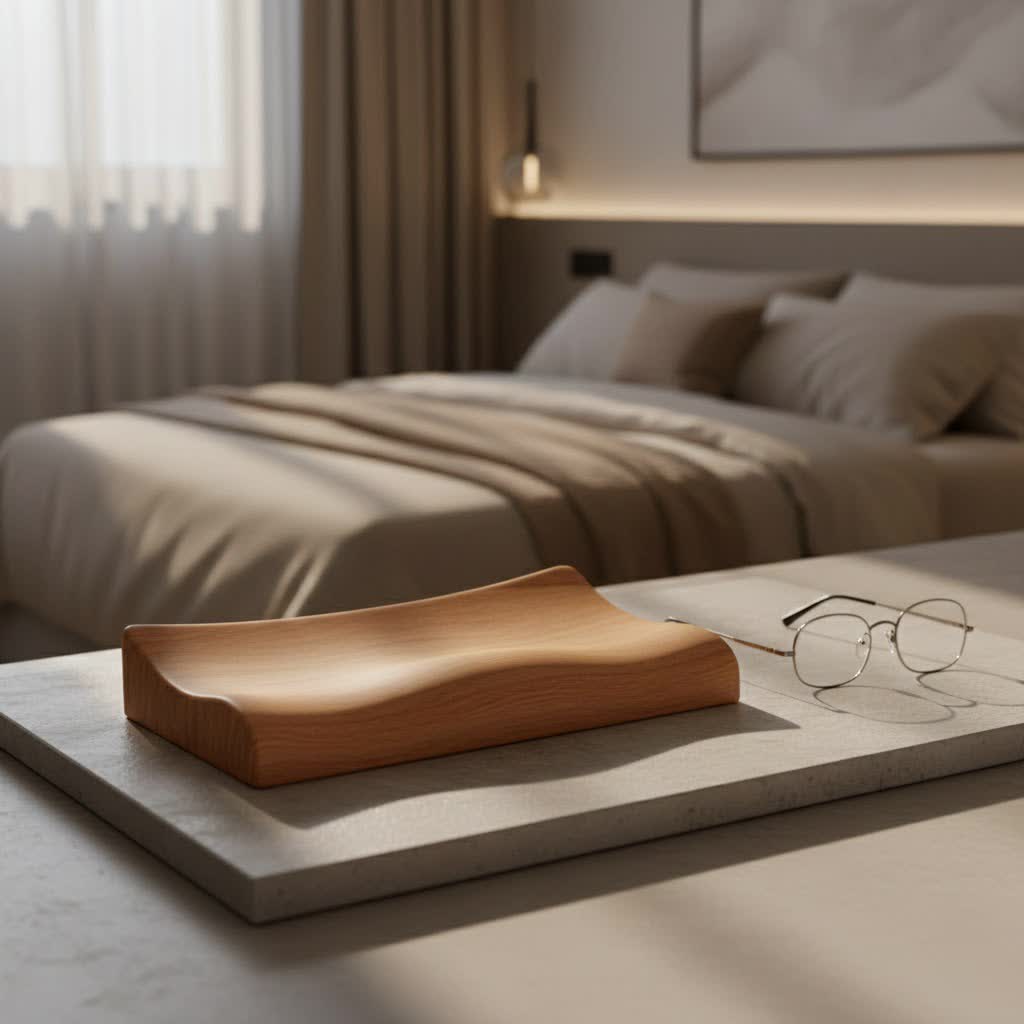
Wooden Wrist Rests: Solid Support with Style
For those who appreciate aesthetics and firm, unwavering support, wooden wrist rests are a top contender. They offer a stable, unyielding surface.
- Pros: Highly durable, aesthetically pleasing, excellent firm support, easy to clean, doesn’t degrade over time.
- Cons: Less forgiving than soft materials, can feel cold to the touch initially, may not suit all users’ comfort preferences.
- Best for: Mechanical keyboard enthusiasts, users who prefer firm, stable support, and those looking for a stylish, long-lasting accessory.
Leather Wrist Rests: Premium Feel and Durability
Leather wrist rests offer a luxurious feel and impressive durability. They combine firm support with a sophisticated aesthetic.
- Pros: Premium look and feel, excellent durability, comfortable after a break-in period, easy to clean.
- Cons: Can be more expensive, might require some initial break-in, less cushioning than gel or memory foam.
- Best for: Professionals, users who prioritize a high-end feel and long-term investment, and those who appreciate a blend of style and function.
Other Materials: Plastic, Rubber, and More
Beyond the main categories, you’ll find wrist rests made from various other materials, each with its own quirks. Some are simple hard plastic, others feature rubberized surfaces for grip, and some even incorporate unique designs like beads or water-filled compartments. These often cater to niche preferences or specific budget points, offering alternatives if the mainstream options don’t quite hit the mark.
Choosing the Right Wrist and Keyboard Rest: A Practical Guide
With so many options, how do you pick the perfect wrist and keyboard rest? It’s not a one-size-fits-all situation. Consider these factors to make an informed decision that truly benefits your unique setup and typing habits.
Consider Your Keyboard Type (Full-size, TKL, 60%, Low Profile)
The size and height of your keyboard are critical.
- Full-size keyboards (with a numpad) require a longer wrist rest.
- Tenkeyless (TKL) and 60% keyboards need shorter ones.
- Low-profile keyboards or those with a very shallow angle will pair best with a thinner wrist rest, ensuring your hands aren’t angled too high.
- Conversely, a thicker wrist rest is ideal for mechanical keyboards with taller keycaps, preventing your wrists from dropping too low.
Always measure your keyboard’s length and height to ensure the wrist rest provides continuous support across the entire typing area.
Assess Your Workstation Ergonomics
A wrist and keyboard rest is just one piece of the ergonomic puzzle.
- Desk Height: Is your desk at a height where your forearms are parallel to the floor when typing? If not, adjust your chair or desk first.
- Monitor Position: Is your monitor at eye level? Proper monitor height helps prevent neck strain, which can indirectly affect overall posture.
- Chair: Does your chair provide adequate lumbar support? A good chair is foundational to good ergonomics.
Your wrist rest should complement, not compensate for, other ergonomic shortcomings.
Material Matters: What Feels Best for You?
This comes down to personal preference.
- Do you prefer a soft, yielding surface that cradles your wrists? Gel or memory foam might be your best bet.
- Do you need firm, unmoving support that keeps your hands elevated consistently? Wood or high-density leather could be ideal.
- Consider the climate: gel and memory foam can sometimes feel warm, while wood remains cooler.
Try different materials if possible, even if it’s just trying a friend’s setup for a few minutes.
Size and Height: Getting the Perfect Fit
The wrist rest should be long enough to support both your dominant and non-dominant hand while typing without interruption. The height is equally important; your wrist rest should be level with the bottom edge of your keyboard or just slightly lower. This alignment ensures your hands remain in a neutral position, preventing extension or flexion of the wrist. A good rule of thumb: your fingers should fall naturally onto the keys, and your wrist should feel comfortable, not elevated above the keyboard’s edge.
Portability and Aesthetics
If you frequently move your setup or travel, a lighter, more portable wrist rest might be a priority. Wooden or hard plastic ones are generally more robust for travel. Aesthetics also play a role; a wrist rest that complements your desk setup can enhance your workspace’s overall appeal. From minimalist wood to vibrant gel, there’s a style for everyone.
How to Use Your Wrist Rest Effectively: Maximize Its Benefits
Having a wrist and keyboard rest is one thing; using it correctly is another. Improper usage can negate its benefits or even introduce new issues. The goal is gentle support, not a place to rest your entire body weight.
The Golden Rule: Rest Your Palms, Not Your Wrists
This is perhaps the most crucial piece of advice. A common mistake is to rest the entire weight of your wrists on the wrist rest. Instead, a wrist and keyboard rest is designed to support the heels of your palms, allowing your wrists themselves to float just above or gently touch the surface. Your fingers should be free to move and articulate naturally over the keys, and your wrists should remain straight, not bent up or down. Think of it as a gentle reminder for proper alignment rather than a rigid support.
Maintaining Proper Keyboard Height and Angle
Ensure your keyboard is positioned so your forearms are roughly parallel to the floor when typing. Your elbows should be at a 90-degree angle, close to your body. The wrist rest should simply bridge the gap between your desk surface and the bottom edge of your keyboard, providing a smooth transition. If your keyboard has adjustable feet, experiment with the angle. Some prefer a flatter keyboard, while others like a slight incline. The key is to find what keeps your wrists in that neutral, straight position with the aid of the wrist rest.
Taking Regular Breaks
Even with the best ergonomic setup and a perfect wrist and keyboard rest, continuous typing without breaks is not advisable. Aim to take short breaks every 30-60 minutes. Stand up, stretch your fingers, wrists, and arms. Look away from your screen. These micro-breaks help reduce cumulative strain and allow your muscles and tendons to recover, enhancing the long-term benefits of your ergonomic setup.
Maintaining Your Investment: Care Tips for Your Wrist Rest
Like any accessory, your wrist and keyboard rest will perform best and last longest with a little care. Regular cleaning and proper maintenance can extend its life and keep it hygienic.
Cleaning Different Materials
- Gel and Memory Foam: These can usually be wiped down with a damp cloth and mild soap. Avoid harsh chemicals that could degrade the material. Ensure they are completely dry before use.
- Wood: A damp cloth is usually sufficient. For a deeper clean or to restore luster, a wood cleaner or a light application of wood wax/oil can be used, following the product’s instructions.
- Leather: Wipe with a damp cloth. For stains, a specialized leather cleaner is recommended. Avoid excessive moisture and direct sunlight.
- General Tip: For all materials, a quick wipe-down with an antibacterial wipe can keep germs at bay, especially if you share your workspace.
Longevity and Replacement
The lifespan of a wrist and keyboard rest varies greatly depending on the material and frequency of use.
- Softer materials like gel and memory foam may start to lose their shape, firmness, or develop indentations over 1-3 years with heavy use. If you notice it no longer provides adequate support or has become permanently compressed, it’s time for a replacement.
- Harder materials like wood and high-quality leather can last for many years, even decades, requiring replacement only if they become physically damaged or if your ergonomic needs change significantly.
Regularly inspect your wrist rest for signs of wear and tear, and replace it proactively to ensure continuous ergonomic benefits.
Expert Insights on Wrist Rest Usage
“Many users mistakenly view a wrist rest as a cushion for their wrists to ‘lean’ on,” says Dr. Eleanor Vance, a renowned Ergonomics Specialist. “The real magic of a wrist and keyboard rest lies in its ability to facilitate a neutral wrist posture, allowing your palms to gently rest and your fingers to hover effortlessly over the keys. It’s about enabling dynamic movement while preventing harmful static loading and awkward angles. Proper use can be a game-changer for preventing discomfort and long-term strain.”
Frequently Asked Questions (FAQ)
Q1: Do wrist rests actually help prevent carpal tunnel?
A1: Yes, when used correctly, a wrist and keyboard rest can significantly help prevent carpal tunnel syndrome by maintaining a neutral wrist posture, which reduces pressure on the median nerve running through the carpal tunnel. It’s a key component of an ergonomic workstation.
Q2: What’s the difference between a wrist rest and a keyboard rest?
A2: The terms “wrist rest” and “keyboard rest” are often used interchangeably. Essentially, they refer to the same ergonomic accessory designed to provide support for your hands and wrists while using a keyboard, bridging the gap between your desk and the keyboard’s edge.
Q3: How often should I replace my wrist rest?
A3: The replacement frequency depends on the material and usage. Softer materials like gel and memory foam may need replacing every 1-3 years if they lose their shape or firmness. Durable materials like wood can last many years, only needing replacement if damaged or if your ergonomic needs change.
Q4: Can I use a wrist rest with a laptop?
A4: Yes, you can use a wrist and keyboard rest with a laptop, especially if you’re using an external keyboard with your laptop. If typing directly on the laptop, a smaller, portable wrist rest can still provide support, though the ergonomic setup of a laptop can be more challenging to optimize fully.
Q5: Are wooden wrist rests comfortable?
A5: Wooden wrist rests offer a firm, stable type of comfort. While they don’t provide the plush softness of gel or memory foam, many users find the consistent, unyielding support very comfortable for maintaining a neutral wrist position, especially with mechanical keyboards. Their comfort is more about proper alignment than cushioning.
Conclusion
Choosing and correctly utilizing a wrist and keyboard rest is a small change that can yield massive benefits for your health and typing comfort. By understanding the different types, selecting one that aligns with your specific needs and keyboard, and adopting proper usage techniques, you’re not just buying an accessory; you’re investing in the longevity of your hands and wrists. Prioritizing your ergonomic setup with a quality wrist and keyboard rest will reduce the risk of pain and injury, allowing you to work, play, and create with sustained comfort and efficiency. Make the smart choice today and experience the difference a well-supported wrist and keyboard rest can make.
