In the world of keyboards, the tenkeyless (TKL) layout has carved out a beloved niche. It offers the perfect balance of a compact footprint without sacrificing essential functionality, making it a favorite among gamers, programmers, and everyday typists. But if you’re spending hours with your TKL companion, there’s one accessory that can truly transform your experience: the Tkl Wrist Rest. Often overlooked, this ergonomic hero is your key to unlocking superior comfort and protecting your long-term wrist health.
At MMPok, we understand that a comfortable setup isn’t just a luxury—it’s a necessity. With over a decade in product development and content creation for leading tech accessory companies, I’ve seen firsthand how the right wrist rest can make all the difference. This comprehensive guide will dive deep into everything you need to know about TKL wrist rests, from understanding their unique benefits and exploring different materials to choosing and using one effectively. Let’s ensure your wrists get the support they deserve.
What Exactly is a TKL Wrist Rest?
A tenkeyless (TKL) keyboard is typically an 80% or 87-key layout that omits the numeric keypad found on full-sized keyboards. This design saves desk space and often places your mouse closer to your keyboard, which can improve ergonomics. A TKL wrist rest is specifically designed to match the length of these keyboards, providing continuous support across the alphanumeric keys and function row. It’s not just a generic pad; it’s a precisely measured accessory crafted to integrate seamlessly with your TKL setup, ensuring your wrists are aligned and comfortable throughout your entire typing or gaming session.
Why Your Wrists Deserve a TKL Wrist Rest: Unpacking the Benefits
Think of a TKL wrist rest as an investment in your well-being. Prolonged typing or gaming without proper wrist support can lead to discomfort, pain, and even serious health issues. Here’s how a dedicated TKL wrist rest champions your health and comfort:
Preventing Strain and Repetitive Strain Injuries (RSIs)
|
Our Picks for the Best Wrist Rest in 2026
As an Amazon Associate I earn from qualifying purchases.
|
||
| Num | Product | Action |
|---|---|---|
| 1 | MROCO Ergonomic Mouse Pad with Gel Wrist Rest, Smooth Wrist Support Surface, Non-Slip PU Base for Pain Relief, Comfortable Mousepad for Computer, Laptop, Office & Home, 9.4 x 8.1 in, Cloud Forest |

|
| 2 | LỖI |
|
| 3 | Vaydeer Wrist Rest for Keyboard and Mouse, Computer Ergonomic Wrist Support Pad, Soft Memory Foam Arm Cushion for Desk, Palm Hand Office Laptop Typing |
|
| 4 | MEKASS Ergonomic Wrist Rest for Keyboard and Mouse, Soft Memory Foam Keyboard Wrist Rest Set with Non-Slip Silicone Base, Easy Typing, Pain Relief, Comfort for Office, Work, Gaming (Classic Black) |
|
| 5 | GORILLA GRIP Silky Memory Foam Wrist Rest for Computer Keyboard, Mouse, Ergonomic Design for Typing Pain Relief, Desk Pads Support Hand and Arm, Mousepad Rests, Stain Resistant, 2 Piece Pad, Black |
|
| 6 | MROCO Ergonomic Mouse Pad with Gel Wrist Rest, Smooth Wrist Support Surface, Non-Slip PU Base for Pain Relief, Comfortable Mousepad for Computer, Laptop, Office & Home, 9.4 x 8.1 in, Black Flower |
|
| 7 | LỖI |
|
| 8 | Keyboard Stand with Wrist Rest - Comfortable Wrist Pad for Easy Typing, Keyboard Tray for Office, Home, School (Fits Most Standard Keyboards) |
|
| 9 | MROCO Ergonomic Mouse Pad with Gel Wrist Rest, Comfortable Mousepad with Smooth Wrist Support Surface and Non-Slip PU Base for Pain Relief, Computer, Laptop, Office & Home, 9.4 x 8.1 in, Blue Marble |
|
| 10 | LỖI |
|
When your wrists are unsupported, they often bend upwards or downwards at an unnatural angle. This sustained awkward posture puts immense pressure on the tendons and nerves, particularly the median nerve that runs through your carpal tunnel. Over time, this can lead to conditions like Carpal Tunnel Syndrome, Tendonitis, and other Repetitive Strain Injuries (RSIs). A well-designed TKL wrist rest helps maintain a neutral, straight wrist position, significantly reducing this harmful strain.
Promoting Neutral Posture
The core principle behind any good ergonomic setup is maintaining a neutral posture. For your wrists, this means keeping them as straight as possible, in line with your forearms. A TKL wrist rest acts as a gentle ramp, elevating your palms and lower wrists to the same height as your keyboard’s front edge. This encourages a natural, relaxed hand position, minimizing unnecessary tension in your hands, wrists, and even shoulders.
Enhanced Comfort for Long Sessions
Whether you’re battling foes in a game, coding complex programs, or drafting lengthy reports, long hours at your keyboard can lead to fatigue. A soft, supportive TKL wrist rest provides a cushioned landing spot for your hands during typing breaks, allowing your muscles to relax. This continuous comfort makes extended sessions far more tolerable and enjoyable.
Indirect Performance Boost
While a wrist rest won’t magically make you type faster or aim better, the reduction in discomfort and fatigue is undeniable. When your wrists are comfortable and pain-free, you can focus more intently on your tasks. This improved focus, combined with less physical distraction, can lead to increased productivity and a more consistent performance in both work and play.
Exploring the World of TKL Wrist Rest Materials
The material of your TKL wrist rest plays a huge role in its feel, support, durability, and aesthetics. Here’s a rundown of the most popular options:
Memory Foam & Gel: The Cushy Comfort
- Memory Foam: Known for its plush, contouring properties, memory foam molds to the shape of your wrists, distributing pressure evenly. It offers excellent cushioning, making it ideal for users who prioritize softness and comfort during long typing sessions. However, some find it can retain heat.
- Gel: Gel wrist rests often feature a layer of soft gel over a foam core. They provide a similar pressure-relieving comfort to memory foam but with the added benefit of a cooler touch, which can be a relief during warm weather or intense gaming. They offer a slight “give” without being too soft.
Wood: Natural Elegance and Firm Support
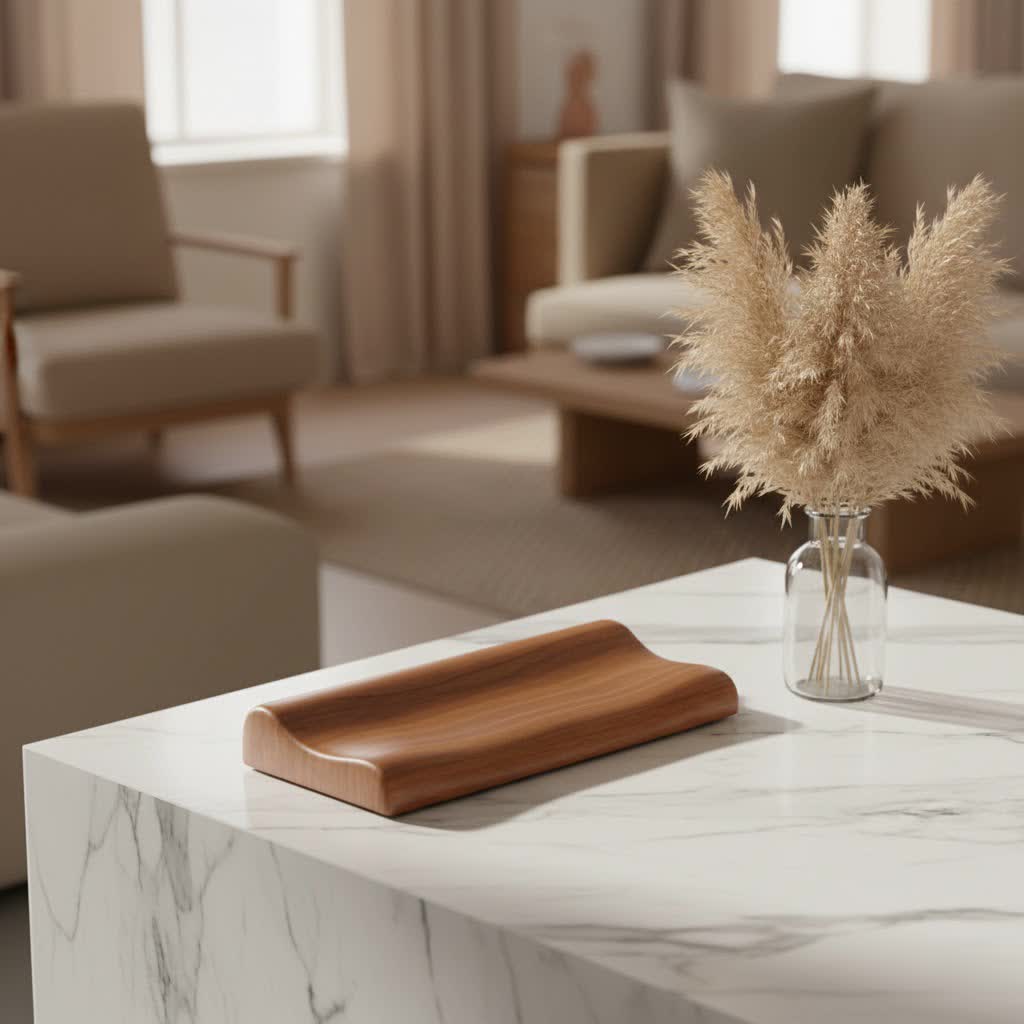
Wooden TKL wrist rests are prized for their aesthetic appeal and firm, stable support. Often crafted from hardwoods like walnut, oak, or bamboo, they add a touch of natural elegance to any desk setup. While they don’t offer the plushness of foam, many users prefer the solid, unyielding surface for consistent wrist alignment. The key is to ensure the wood is smoothly finished and appropriately angled to avoid sharp edges.
Leather & PU Leather: Premium Feel and Balanced Support
For a touch of luxury, leather or PU (polyurethane) leather wrist rests are an excellent choice. They offer a sophisticated look and a balanced feel—firmer than memory foam but with a pleasant give that’s softer than wood. Genuine leather develops a beautiful patina over time, adding character, while high-quality PU leather provides a durable, easy-to-clean surface that mimics the real thing. Brands like Turbulent Labs are known for their exquisite leather options.
Silicone: Durable, Clean, and Stable
Silicone TKL wrist rests are celebrated for their durability, ease of cleaning, and excellent anti-slip properties. They typically offer a firmer, more resilient support than foam, making them a great choice for those who prefer a stable surface that won’t compress over time. Their water-resistant nature also makes them easy to wipe down, maintaining hygiene in your workspace. KeysMe offers interesting silicone options with unique artistic panels.
Other Materials: Exploring Your Options
Beyond the main categories, you might encounter TKL wrist rests made from EVA foam (often paired with a smooth cloth surface for medium firmness), or rigid plastic (sometimes with textured finishes for grip). These materials offer diverse characteristics, from lightweight portability to specific tactile sensations.
Choosing Your Perfect TKL Wrist Rest: A Comprehensive Guide
Selecting the right TKL wrist rest isn’t just about picking a nice-looking accessory; it’s about finding the perfect ergonomic match for your unique setup and needs. Here’s what to consider:
Size & Fit: The TKL Match
This is paramount. A TKL wrist rest must precisely match the length of your tenkeyless keyboard. TKL keyboards typically measure around 14 inches (approximately 36 cm). Measure your keyboard’s length to ensure the wrist rest will span it perfectly, providing consistent support across all the keys you use. A wrist rest that’s too short or too long will defeat its ergonomic purpose.
Height Alignment: Crucial for Ergonomic Posture
The height of your wrist rest relative to your keyboard is critical for maintaining a neutral wrist angle. The goal is for your palms to be level with your keyboard’s front edge.
- Low-profile keyboards: Keyboards with a lower front edge (e.g., 16-18mm) will require a shallower wrist rest (e.g., 12-14mm in height).
- High-profile keyboards: Taller mechanical keyboards (e.g., 20-25mm at the front) will need a higher wrist rest (e.g., 15-18mm).
Always check the wrist rest’s specifications and compare them to your keyboard’s height to ensure proper alignment.
Firmness Level: Soft vs. Firm
Your preference for firmness is highly personal:
- Soft (Gel, Memory Foam): Provides maximum cushioning and comfort, ideal if you experience discomfort from hard surfaces or prefer a softer feel.
- Firm (Wood, Dense Foam, Silicone, Plastic): Offers more stable, unyielding support. Some users find this helps maintain a more consistent posture and prevents the “sinking” feeling that soft materials can have over time.
Anti-Slip Features: Ensuring Stability
There’s nothing more frustrating than a wrist rest that slides around your desk. Look for TKL wrist rests with a robust anti-slip rubber base or textured underside. This ensures the rest stays firmly in place, even during intense gaming sessions or rapid typing.
Durability & Maintenance: Longevity and Cleanliness
Consider the longevity of the material. High-density foams, durable stitching (like anti-fray stitching), and robust surfaces (leather, silicone) contribute to a longer lifespan. Also, think about maintenance:
- Silicone and plastic: Easiest to clean with a quick wipe.
- Leather: May require occasional conditioning.
- Cloth/foam: Can be spot-cleaned, but may absorb sweat and dirt over time.
Aesthetics: Matching Your Setup
While ergonomics are primary, a TKL wrist rest is also a part of your desktop aesthetic. Choose a material and color that complements your keyboard, desk mat, and overall workspace to create a cohesive and pleasing environment.
Mastering the Art of Wrist Rest Usage: Tips for Optimal Health
Using a TKL wrist rest correctly is just as important as choosing the right one. Here are some pro tips:
The “Palms, Not Wrists” Rule
This is perhaps the most crucial tip. Despite the name “wrist rest,” you should ideally be resting the heel of your palms, not your actual wrists, on the support. Resting your wrists directly can compress nerves and blood vessels, potentially exacerbating the very problems you’re trying to prevent. Your fingers should “float” lightly over the keys, with your palms gently supported when not actively typing.
Maintaining a Neutral Wrist Position
The primary goal is to keep your wrists straight, aligned with your forearms. Your wrist rest should facilitate this natural position, not force your wrists into an upward or downward bend. If you find your wrists are still bent, adjust your chair height, desk height, or keyboard angle.
Integrating with Your Ergonomic Setup
A TKL wrist rest is one piece of a larger ergonomic puzzle. Ensure your entire workstation is optimized:
- Chair: Properly adjusted for height, lumbar support.
- Desk: At a height that allows your forearms to be parallel to the floor.
- Monitor: Eye-level to prevent neck strain.
When all these elements work together, your wrist rest can perform its best.
Regular Breaks: The Ultimate Complement
Even with the perfect ergonomic setup, regular breaks are essential. Stand up, stretch your arms, hands, and wrists, and walk around every 30-60 minutes. This helps alleviate cumulative strain and promotes circulation, working in harmony with your TKL wrist rest to keep you comfortable and healthy.
Expert Insights: What the Pros Say About TKL Wrist Rests
“Many people underestimate the profound impact a properly selected TKL wrist rest can have on their daily comfort and long-term health,” shares Dr. Lena Petrova, a leading Ergonomics Specialist at MMPok Lab. “It’s not just about alleviating immediate discomfort; it’s a preventative measure against chronic issues. The key lies in matching the wrist rest’s height and firmness to your keyboard and your unique biomechanics, ensuring that your palms are supported in a neutral position rather than your wrists being compressed. It’s a simple upgrade that yields significant dividends for anyone spending considerable time at their TKL keyboard.”
TKL Wrist Rest FAQs
Are TKL wrist rests universal?
While they are designed for the standard TKL keyboard length, their height and material vary significantly. Always check the dimensions and keyboard profile compatibility to ensure a perfect fit for your specific TKL keyboard.
Can a wrist rest cure carpal tunnel syndrome?
A TKL wrist rest can help prevent or alleviate symptoms of carpal tunnel syndrome by promoting a neutral wrist posture and reducing strain. However, it cannot “cure” an existing medical condition. If you experience persistent pain, numbness, or tingling, consult a healthcare professional.
How often should I clean my wrist rest?
This depends on the material and your usage. Silicone and plastic rests can be wiped down daily or weekly. Fabric or leather rests might need less frequent cleaning, but spot-clean spills immediately. Regular cleaning helps maintain hygiene and extends the lifespan of your TKL wrist rest.
What’s the ideal height for a TKL wrist rest?
The ideal height is one that brings your palms level with the front edge of your TKL keyboard, allowing your wrists to remain straight and neutral. This typically ranges from 12mm to 18mm, depending on your keyboard’s profile (low-profile vs. high-profile).
Is a hard or soft TKL wrist rest better?
Neither is inherently “better”; it comes down to personal preference and typing style. Soft rests (memory foam, gel) offer cushioning and pressure relief. Hard rests (wood, firm silicone) provide consistent, stable support. Experimenting with both can help you determine which feel is best for you.
Conclusion
The TKL wrist rest might seem like a small accessory, but its impact on your comfort, health, and overall productivity can be monumental. By supporting your wrists in a neutral, ergonomic position, it helps prevent common computer-related ailments and makes long hours at your tenkeyless keyboard far more enjoyable. From the plush embrace of memory foam to the elegant stability of wood, there’s a perfect TKL wrist rest out there for every user and every setup.
Don’t let wrist discomfort detract from your passion or productivity. Take the proactive step towards a healthier, more comfortable computing experience. Explore the diverse range of high-quality TKL wrist rests available and discover the difference proper support can make. Your wrists will thank you!
