Working at a desk for extended periods can take a serious toll on your body, especially your wrists. If you’ve ever felt that familiar ache after a long day of typing or noticed your hands feeling fatigued, it might be time to consider integrating a high-quality Wrist Rest For Desk use into your setup. It’s not just about comfort; it’s about safeguarding your long-term health and enhancing your productivity. As someone who has spent over a decade immersed in the world of ergonomic accessories, I can tell you that a well-chosen wrist rest can be a game-changer for anyone spending significant time at their computer.
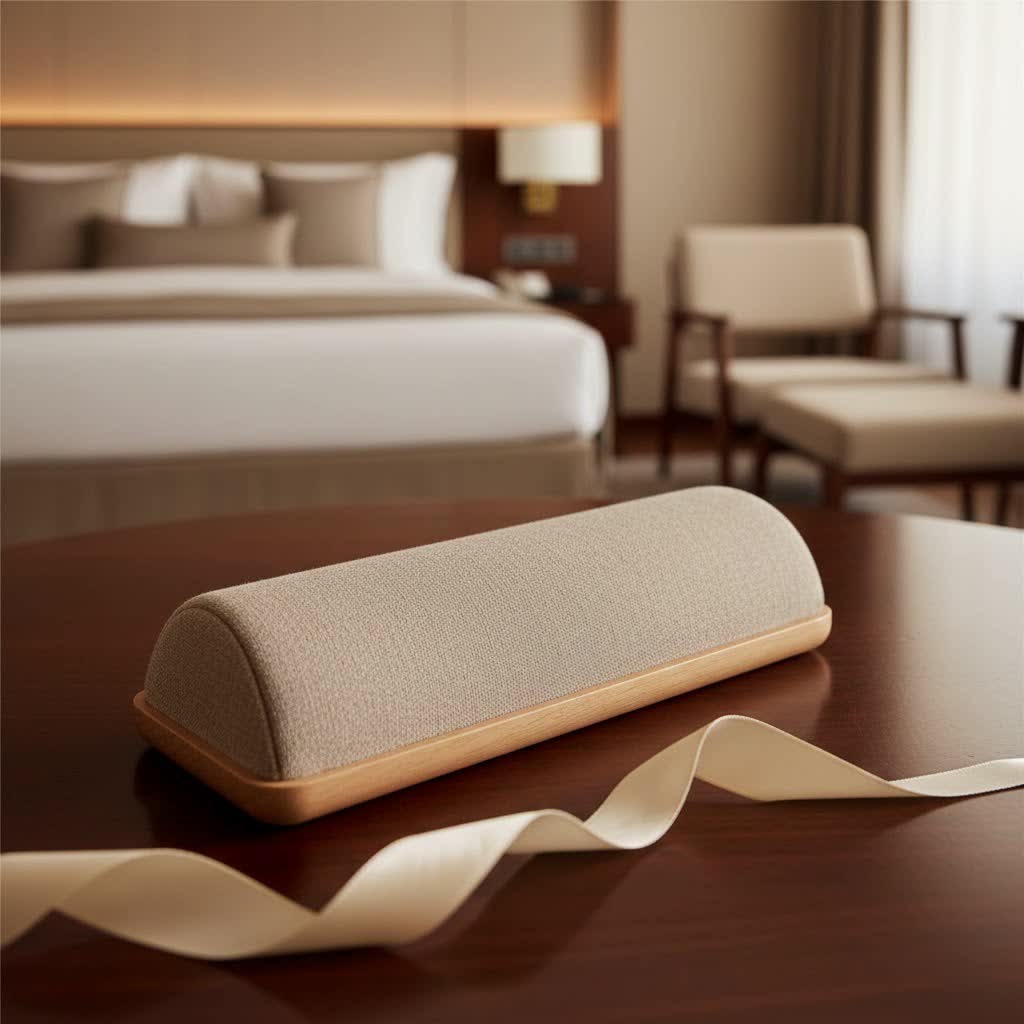
Why Your Desk Needs a Wrist Rest: Unveiling the Ergonomic Advantages
Many people wonder if a wrist rest is truly necessary. The answer, based on extensive ergonomic research and countless user experiences, is a resounding yes. It’s a small change that yields substantial benefits for your health and overall comfort.
What is a Wrist Rest and Why Does it Matter?
|
Our Picks for the Best Wrist Rest in 2026
As an Amazon Associate I earn from qualifying purchases.
|
||
| Num | Product | Action |
|---|---|---|
| 1 | LỖI |

|
| 2 | LỖI |
|
| 3 | MROCO Ergonomic Mouse Pad with Gel Wrist Rest, Smooth Wrist Support Surface, Non-Slip PU Base for Pain Relief, Comfortable Mousepad for Computer, Laptop, Office & Home, 9.4 x 8.1 in, Cloud Forest |
|
| 4 | MROCO Ergonomic Mouse Pad with Gel Wrist Rest, Comfortable Mousepad with Smooth Wrist Support Surface and Non-Slip PU Base for Pain Relief, Computer, Laptop, Office & Home, 9.4 x 8.1 in, Blue Marble |
|
| 5 | MROCO Ergonomic Mouse Pad with Gel Wrist Rest, Smooth Wrist Support Surface, Non-Slip PU Base for Pain Relief, Comfortable Mousepad for Computer, Laptop, Office & Home, 9.4 x 8.1 in, Black Flower |
|
| 6 | MEKASS Ergonomic Wrist Rest for Keyboard and Mouse, Soft Memory Foam Keyboard Wrist Rest Set with Non-Slip Silicone Base, Easy Typing, Pain Relief, Comfort for Office, Work, Gaming (Classic Black) |
|
| 7 | LỖI |
|
| 8 | Vaydeer Wrist Rest for Keyboard and Mouse, Computer Ergonomic Wrist Support Pad, Soft Memory Foam Arm Cushion for Desk, Palm Hand Office Laptop Typing |
|
| 9 | GORILLA GRIP Silky Memory Foam Wrist Rest for Computer Keyboard, Mouse, Ergonomic Design for Typing Pain Relief, Desk Pads Support Hand and Arm, Mousepad Rests, Stain Resistant, 2 Piece Pad, Black |
|
| 10 | Keyboard Stand with Wrist Rest - Comfortable Wrist Pad for Easy Typing, Keyboard Tray for Office, Home, School (Fits Most Standard Keyboards) |
|
Simply put, a wrist rest is a supportive cushion or bar designed to be placed in front of your keyboard or mouse, providing a comfortable surface for your wrists or the heels of your hands. The primary goal of a wrist rest for desk use is to maintain a neutral wrist posture. Imagine your wrist as a straight line from your forearm to your hand, without bending up, down, or to the sides. This neutral position is crucial.
Preventing Repetitive Strain Injuries (RSIs)
One of the most significant benefits of using a wrist rest is its role in preventing Repetitive Strain Injuries (RSIs), such as carpal tunnel syndrome. When your wrists are consistently bent or extended while typing or mousing, it puts pressure on the tendons and nerves passing through your wrist. Over time, this can lead to inflammation, pain, numbness, and even long-term damage. A properly used wrist rest for desk helps alleviate this pressure by keeping your wrists aligned, reducing the strain that can lead to these painful conditions.
Enhancing Comfort and Productivity
Beyond injury prevention, a good wrist rest dramatically improves comfort. When your wrists are supported, your forearms and shoulders naturally relax, reducing tension throughout your upper body. This increased comfort can lead to better focus, fewer distractions from aches, and ultimately, higher productivity. It allows you to maintain your work rhythm without constantly adjusting or taking micro-breaks due to discomfort.
Navigating the World of Wrist Rests: Types and Materials Explained
The market offers a diverse range of wrist rests, each with its own characteristics. Understanding the different types and materials available is key to finding the perfect wrist rest for desk setups.
Gel Wrist Rests: The Cushy Comfort
Gel wrist rests are incredibly popular due to their soft, pliable nature. They conform well to the shape of your wrists, providing a custom feel that can be very comfortable. Many gel rests also feature a cooling property, which can be a pleasant bonus during long work sessions. However, some find them too soft, offering less firm support.
Memory Foam Wrist Rests: Adaptive Support
Memory foam wrist rests offer a balance between softness and support. They adapt to the contours of your wrists, distributing pressure evenly, and then slowly return to their original shape. This adaptive quality makes them excellent for consistent, cushioned support without feeling overly squishy. They are a fantastic choice for a versatile wrist rest for desk tasks.
Wooden & Hard Material Wrist Rests: Firm Foundation
For those who prefer a solid, unyielding surface, wooden or other hard material wrist rests are an excellent option. They provide a stable and consistent platform for your hands. While they don’t offer the plush comfort of gel or memory foam, their rigidity can be ideal for maintaining a perfectly neutral wrist position and are often favored by mechanical keyboard enthusiasts for their aesthetic appeal and consistent feel.
Leather & Fabric Wrist Rests: A Touch of Style
Leather or fabric-covered wrist rests often feature a core of foam or gel, offering a combination of support and a premium feel. Leather, in particular, can be very durable and develop a pleasing patina over time, adding a touch of sophistication to any wrist rest for desk setup. Fabric options are often breathable and come in a wide array of colors and textures.
Choosing the Perfect Wrist Rest for Your Desk Setup
Selecting the right wrist rest isn’t a one-size-fits-all situation. It depends on several factors, including your keyboard, mouse, and personal preferences.
Matching Your Keyboard Type and Height
When choosing a wrist rest for desk use, consider your keyboard’s height and layout.
- How do I choose a wrist rest for a mechanical keyboard? For mechanical keyboards, which often have higher profiles, you’ll need a wrist rest with sufficient height to ensure your wrists remain neutral. Measure the height from your desk to the front edge of your keyboard.
- What about tenkeyless (TKL) or compact keyboards? These require shorter wrist rests, so look for options specifically designed for smaller footprints. Ensure the length of the wrist rest matches your keyboard’s length for continuous support.
Considering Your Mouse and Trackpad Needs
Don’t forget your mouse! Many people overlook the need for mouse wrist support.
- Should I use a wrist rest for my mouse too? Absolutely. A dedicated mouse wrist rest or a mouse pad with an integrated rest can prevent wrist strain from repetitive mouse movements. Ensure it’s not too bulky and allows for free movement.
Firmness, Material, and Personal Preference
The best material and firmness are highly subjective.
- Which wrist rest material is best for carpal tunnel prevention? While all materials can help, memory foam and gel are often recommended for their pressure-distributing qualities. However, the correct usage is more critical than the material itself. Try different options if possible.
Size and Portability Factors
Consider the space available on your desk and whether you need to transport your wrist rest.
- How important is the size of a wrist rest for desk use? It’s very important. A wrist rest that’s too long or too short for your keyboard can be ineffective or cumbersome. If you frequently move your setup, a lighter, more portable option might be better.
Mastering the Art of Wrist Rest Usage: Tips for Optimal Health
Having the right wrist rest for desk use is only half the battle; using it correctly is crucial for maximizing its benefits.
The “Float, Don’t Rest” Principle
This is perhaps the most important rule.
- Should I rest my wrists directly on the wrist rest while typing? No, you should not. The wrist rest is intended to support the heels of your hands when you’re taking a break from typing, not to be a pivot point while actively typing. Your wrists should “float” slightly above it during active keying, allowing your fingers to move freely without putting pressure on your wrist.
Maintaining Neutral Wrist Posture
Your goal is always a neutral wrist position.
- What is neutral wrist posture? It means your hands and forearms are in a straight line, avoiding any bending up (extension), down (flexion), or side-to-side (ulnar or radial deviation). The wrist rest helps guide you back to this position when your hands are not actively moving.
Regular Breaks and Stretching
Even with the perfect ergonomic setup, regular movement is vital.
- Do wrist rests eliminate the need for breaks? No. While a wrist rest significantly reduces strain, taking short, frequent breaks (every 30-60 minutes) to stretch your wrists, fingers, and arms is still essential for promoting circulation and preventing stiffness.
Maintaining Your Desk Companion: Care and Longevity
To ensure your wrist rest for desk remains hygienic and effective, proper care is important. Most gel and memory foam rests can be wiped clean with a damp cloth and mild soap. Fabric covers can often be removed and machine washed. For wooden rests, a simple wipe-down is usually sufficient. Always check the manufacturer’s instructions for specific cleaning recommendations to prolong its life.
“Many people underestimate the profound impact a properly selected and correctly used wrist rest can have on their daily comfort and long-term musculoskeletal health. It’s a foundational element of a truly ergonomic workspace.” – Dr. Elena Petrova, Leading Ergonomist and Product Development Specialist at MMPok.com.
Frequently Asked Questions
Do wrist rests actually help prevent carpal tunnel syndrome?
Yes, when used correctly, a wrist rest for desk use can help maintain a neutral wrist posture, significantly reducing the pressure on the carpal tunnel and thus lowering the risk of developing carpal tunnel syndrome and other RSIs.
What is the ideal height for a wrist rest?
The ideal height for a wrist rest should match the height of the front edge of your keyboard. This ensures your wrists remain straight and level with your keyboard keys, preventing awkward angles.
Can I use a wrist rest for gaming?
Absolutely. A gaming wrist rest for desk setups can be incredibly beneficial, providing comfort and support during intense gaming sessions, helping to prevent fatigue and potential injuries from rapid, repetitive movements.
Are wooden wrist rests better than gel or memory foam?
“Better” depends on personal preference. Wooden wrist rests offer firm, consistent support and can be very durable, while gel and memory foam provide more cushioning and pressure distribution. The best choice is one that feels comfortable and helps maintain a neutral wrist posture for you.
How often should I replace my wrist rest?
The lifespan of a wrist rest depends on its material and usage. Gel and memory foam models might show signs of wear, compression, or loss of support after 1-3 years. Harder materials like wood can last much longer. Replace it when it no longer provides adequate support or comfort.
Can a wrist rest make wrist pain worse?
Yes, if used incorrectly. Resting your wrists on the wrist rest while actively typing can put pressure on the underside of your wrists, potentially worsening pain or creating new issues. Remember the “float, don’t rest” principle.
Conclusion
Investing in a quality wrist rest for desk use is a simple yet powerful step towards a more comfortable, productive, and healthier work life. By understanding the different types, choosing the right one for your setup, and mastering proper usage, you can significantly reduce the risk of strain injuries, alleviate discomfort, and truly transform your desk experience. Don’t let wrist pain hold you back; empower yourself with the right tools and knowledge. Make the switch today and feel the MMPok difference in ergonomic excellence.
