For over a decade, my work at leading tech accessory manufacturers and as the official content writer for MMPok.com has centered on one critical mission: enhancing your comfort and health at the computer. In today’s digital world, where hours are spent tapping away at keyboards, the role of an ergonomic keyboard wrist rest has become more important than ever. It’s not just about a cushion; it’s about protecting your long-term well-being and maintaining peak performance.
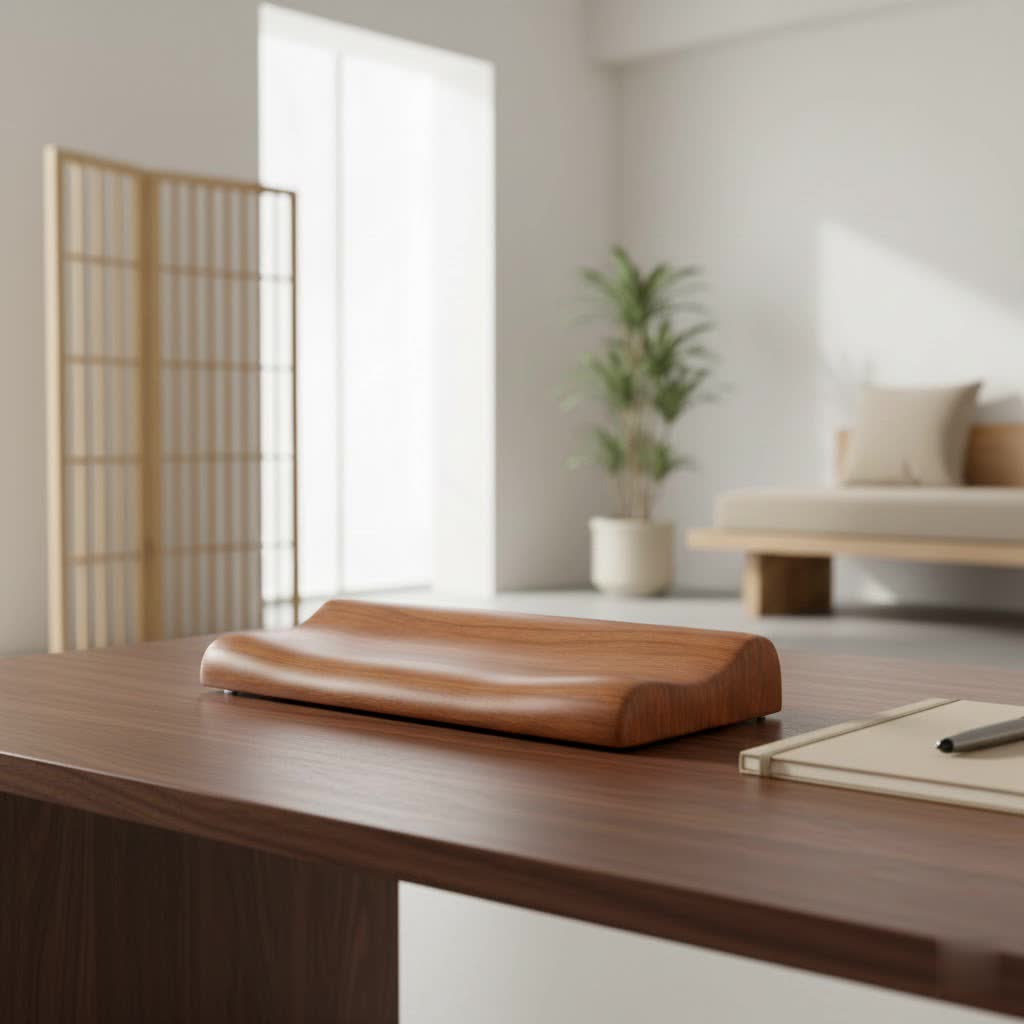
Have you ever finished a long typing session with that familiar ache in your wrists or forearms? You’re not alone. Many dismiss it as a minor inconvenience, but these signals are your body’s way of telling you that your workstation setup needs attention. That’s where a properly chosen and used ergonomic keyboard wrist rest truly shines, transforming discomfort into sustained productivity.
What is an Ergonomic Keyboard Wrist Rest and Why Do You Need One?
Let’s clear up a common misconception right off the bat: while we often call them “wrist rests,” in ergonomic terms, they are more accurately described as “palm rests.” Their primary purpose isn’t for your wrists to constantly bear weight while you’re typing. Instead, an ergonomic keyboard wrist rest is a supportive accessory placed in front of your keyboard, designed to cradle the heel of your hand or palm during pauses, helping you maintain a neutral, straight wrist posture. This subtle difference is crucial for effective ergonomic support.
Why is this important? When your wrists are bent upwards (extended) or downwards (flexed) for prolonged periods, especially against a hard desk edge, it puts undue pressure on the nerves and tendons running through your carpal tunnel. Over time, this can lead to discomfort, pain, and even serious conditions like carpal tunnel syndrome or other repetitive strain injuries (RSIs). An ergonomic keyboard wrist rest acts as a gentle reminder and a supportive buffer, reducing strain and making long typing sessions much more comfortable. It’s a foundational piece for anyone committed to a healthier, more comfortable computing experience.
The Science Behind the Support: Health Benefits You Can’t Ignore
Integrating an ergonomic keyboard wrist rest into your workstation isn’t just about feeling good in the moment; it’s about investing in your long-term health. The benefits extend far beyond just your wrists.
Preventing Carpal Tunnel Syndrome and Repetitive Strain Injuries (RSIs)
|
Our Picks for the Best Wrist Rest in 2026
As an Amazon Associate I earn from qualifying purchases.
|
||
| Num | Product | Action |
|---|---|---|
| 1 | GORILLA GRIP Silky Memory Foam Wrist Rest for Computer Keyboard, Mouse, Ergonomic Design for Typing Pain Relief, Desk Pads Support Hand and Arm, Mousepad Rests, Stain Resistant, 2 Piece Pad, Black |

|
| 2 | LỖI |
|
| 3 | MROCO Ergonomic Mouse Pad with Gel Wrist Rest, Smooth Wrist Support Surface, Non-Slip PU Base for Pain Relief, Comfortable Mousepad for Computer, Laptop, Office & Home, 9.4 x 8.1 in, Cloud Forest |
|
| 4 | LỖI |
|
| 5 | MROCO Ergonomic Mouse Pad with Gel Wrist Rest, Smooth Wrist Support Surface, Non-Slip PU Base for Pain Relief, Comfortable Mousepad for Computer, Laptop, Office & Home, 9.4 x 8.1 in, Black Flower |
|
| 6 | Keyboard Stand with Wrist Rest - Comfortable Wrist Pad for Easy Typing, Keyboard Tray for Office, Home, School (Fits Most Standard Keyboards) |
|
| 7 | MROCO Ergonomic Mouse Pad with Gel Wrist Rest, Comfortable Mousepad with Smooth Wrist Support Surface and Non-Slip PU Base for Pain Relief, Computer, Laptop, Office & Home, 9.4 x 8.1 in, Blue Marble |
|
| 8 | MEKASS Ergonomic Wrist Rest for Keyboard and Mouse, Soft Memory Foam Keyboard Wrist Rest Set with Non-Slip Silicone Base, Easy Typing, Pain Relief, Comfort for Office, Work, Gaming (Classic Black) |
|
| 9 | Vaydeer Wrist Rest for Keyboard and Mouse, Computer Ergonomic Wrist Support Pad, Soft Memory Foam Arm Cushion for Desk, Palm Hand Office Laptop Typing |
|
| 10 | LỖI |
|
This is perhaps the most significant benefit. Carpal tunnel syndrome arises when the median nerve, which runs through a narrow passageway in your wrist (the carpal tunnel), becomes compressed. Poor wrist posture, often caused by unsupported wrists bending upwards or downwards, significantly contributes to this compression. By encouraging a neutral wrist position, an ergonomic keyboard wrist rest minimizes pressure on this vital nerve, drastically lowering your risk of developing carpal tunnel syndrome and other painful RSIs. Think of it as providing a gentle, consistent alignment that your body naturally prefers.
Reducing Muscle Fatigue and Promoting Overall Posture
The impact of proper wrist support isn’t isolated to your hands. When your wrists are strained, your forearms, shoulders, and even your neck can tense up as they try to compensate for awkward positioning. An ergonomic keyboard wrist rest helps distribute the weight of your arms, reducing muscular tension in your upper body. This can lead to a noticeable reduction in fatigue, allowing you to work longer and more comfortably. As Dr. Anya Sharma, lead ergonomist at MMPok, often says, “A well-supported wrist is the gateway to a relaxed shoulder and neck. It’s all interconnected in the ergonomic chain.” When your wrists are happy, the rest of your upper body can follow suit, contributing to better overall posture and fewer aches and pains throughout your workday.
Alleviating Existing Wrist Pain
If you’re already experiencing wrist pain or tingling sensations, an ergonomic keyboard wrist rest, when used correctly, can offer significant relief. By providing a cushioned surface and promoting a natural alignment, it can ease the pressure points that often exacerbate pain. It’s not a magic cure, but it’s a vital component in a holistic approach to managing and reducing discomfort caused by prolonged computer use. Many users report a substantial improvement in their daily comfort after making this simple, yet impactful, ergonomic adjustment.
Navigating the Options: Types of Ergonomic Keyboard Wrist Rests
The world of ergonomic keyboard wrist rests is diverse, offering a variety of materials and designs to suit different preferences and needs. Understanding these types is key to finding your perfect ergonomic keyboard companion.
Gel Wrist Rests
Gel wrist rests are highly popular for their unique blend of softness and support. Typically filled with a soft gel material, they conform wonderfully to the contours of your palms, providing even pressure distribution. Many users appreciate the slightly cool sensation that some gel rests offer, making them comfortable for extended use, especially in warmer environments. They offer a “sink-in” feel that can be very comforting, though it’s important to choose one that isn’t too soft, as excessive sinking can negate ergonomic benefits.
Memory Foam Wrist Rests
Memory foam wrist rests are celebrated for their ability to slowly mold to the shape of your hand, providing personalized support that springs back to its original form when not in use. This material excels at distributing pressure evenly, reducing localized hot spots that can cause discomfort. They tend to offer a warmer feel than gel, which some users prefer. Memory foam options are known for their durability and consistent support over time, making them a reliable choice for daily typists.
Wooden and Solid Wrist Rests
For those who prefer a firmer, more stable surface, wooden or other solid material wrist rests are an excellent choice. These rests provide unyielding support, ensuring your palms always rest at a consistent height and angle. Often crafted from hardwoods like beech, maple, or walnut, they can add a touch of elegance and natural aesthetic to your desk setup. While they don’t offer the “give” of gel or foam, their rigidity is precisely what some users seek for consistent ergonomic alignment. They are also incredibly durable and easy to clean.
Beaded Cushions
Less common but still a viable option, beaded cushions are lightweight rests filled with small plastic beads. These provide a highly flexible and breathable surface that can conform dynamically to your movements. The loose nature of the beads allows for excellent air circulation, making them ideal for those prone to sweaty palms. They offer a different kind of “flowy” support, which can be surprisingly comfortable for some, though they might not provide the same fixed stability as other materials.
Integrated vs. Standalone Wrist Rests
Some ergonomic keyboards come with an integrated wrist rest, providing a seamless transition from keyboard to support. These are designed to perfectly match the keyboard’s height and angle. However, standalone ergonomic keyboard wrist rests offer greater flexibility, allowing you to choose the material, size, and style that best suits your individual preference and existing keyboard setup. This is particularly useful if you have a non-ergonomic keyboard and want to add support without replacing your entire setup.
Choosing Your Perfect Match: Factors for Selecting an Ergonomic Keyboard Wrist Rest
With so many options, how do you find the ergonomic keyboard wrist rest that’s just right for you? It boils down to a few key considerations that prioritize your comfort and health.
Material: Comfort Meets Functionality
As discussed, different materials offer distinct experiences. Consider:
- Gel: Best for those who like a soft, cool, conforming feel.
- Memory Foam: Ideal for personalized, pressure-distributing support that retains its shape.
- Wood/Solid: For users who prefer a firm, stable, and aesthetically pleasing platform.
- Silicone: Durable, easy to clean, often firmer than gel or foam, offering sturdy support.
The best material is ultimately a personal preference, but always ensure it’s durable enough to withstand daily use without flattening prematurely.
Size and Shape: A Perfect Fit for Your Keyboard
An ergonomic keyboard wrist rest should match the width of your keyboard. Whether you have a full-size keyboard, a tenkeyless (TKL), or a compact model, ensure the wrist rest extends across the entire front edge where your hands will rest. The height and slope are equally critical. The wrist rest should ideally be the same height as the front edge of your keyboard, creating a smooth, level surface that prevents your wrists from bending upwards. Any gap or mismatch in height can introduce new ergonomic problems.
Firmness: Your Personal Goldilocks Zone
Some prefer a softer, more plush surface, while others need something firmer that offers more rigid support. The “just right” firmness prevents your palms from sinking too much, which can create pressure points, but also avoids being so hard that it’s uncomfortable. Test different firmness levels if possible, or read reviews that describe the density of the material.
Non-Slip Base: Stability is Key
Imagine your ergonomic keyboard wrist rest sliding away every time you shift your hands. Frustrating, right? A good quality wrist rest will feature a non-slip rubberized base to keep it securely in place on your desk, ensuring consistent support and preventing distractions during intense typing or gaming sessions.
Cleanliness and Maintenance: Keeping it Fresh
Consider how easy the material is to clean. Materials like silicone or smooth wood are often simpler to wipe down, while fabric-covered gel or memory foam might require specific cleaning instructions to maintain hygiene and appearance over time. A wrist rest that is easy to care for will remain a pleasant part of your setup.
Mastering the Art of Use: How to Properly Position and Utilize Your Ergonomic Keyboard Wrist Rest
Even the most advanced ergonomic keyboard wrist rest won’t do its job if used incorrectly. This is where expert knowledge makes all the difference.
The Golden Rule: Rest, Don’t Lean
This is paramount: your ergonomic keyboard wrist rest is for pauses between typing, not for constant pressure while you are actively keying. While typing, your hands should “float” slightly above the rest, initiating movement from your shoulders and elbows. When you take a brief break, that’s when you gently rest the heel of your palm on the support, keeping your wrists straight. Constant leaning can put excessive pressure directly on the carpal tunnel, counteracting its intended benefit and potentially leading to discomfort.
Correct Placement and Neutral Posture
- Placement: Position your ergonomic keyboard wrist rest flush against the front edge of your keyboard. There should be no gap between the two.
- Hand Position: When your fingers are on the home row keys, your palms should hover just above the rest. When resting, the pad should contact the heel or palm of your hand, not your actual wrist joint.
- Wrist Alignment: Your wrists should remain straight – avoid bending them up or down. A good wrist rest facilitates this neutral alignment.
- Full Workstation Alignment: For optimal results, ensure your entire workstation is ergonomically sound. Your chair and desk height should allow your elbows to be close to your body, bent at roughly a 90-degree angle, with your forearms parallel to the floor. This integrated approach maximizes the benefits of your ergonomic keyboard wrist rest.
What to Avoid
- Pressing Down While Typing: Never push your wrists into the rest while typing. This is a common mistake that can worsen strain.
- Too Soft or Too Hard: A rest that causes your palms to sink excessively (too soft) or creates pressure points (too hard) is not providing proper support.
- Incorrect Height: A wrist rest that is too tall or too short for your keyboard’s height will force your wrists into an unnatural angle.
Beyond the Rest: Holistic Ergonomics for Keyboard Users
While an ergonomic keyboard wrist rest is a powerful tool, it’s just one piece of a larger ergonomic puzzle. For truly optimal health and comfort, consider these complementary strategies:
- Proper Desk and Chair Height: Adjust your chair so your feet are flat on the floor (or on a footrest) and your thighs are parallel to the floor. Your desk height should allow your forearms to be parallel to the floor, with your elbows at a 90-110 degree angle.
- Regular Breaks and Stretches: Even with the perfect setup, static postures can lead to fatigue. Take short, frequent breaks (e.g., 5 minutes every hour) to stretch your hands, wrists, arms, and shoulders. Simple wrist circles, finger stretches, and arm extensions can make a huge difference.
- Considering Ergonomic Keyboards: If you experience persistent discomfort, explore ergonomic keyboard designs like split or tented keyboards. These can further promote natural wrist and hand angles, reducing strain beyond what a wrist rest alone can achieve.
Expert Insight: A Word from MMPok’s Ergonomics Specialist
“At MMPok, we understand that true comfort and productivity stem from a mindful approach to your workspace,” explains Dr. Anya Sharma, our lead ergonomist. “An ergonomic keyboard wrist rest, when chosen carefully and used correctly, is an invaluable ally in maintaining neutral wrist posture and staving off the silent creep of repetitive strain injuries. But remember, it’s part of a larger ecosystem. Combine it with proper posture, regular movement, and a well-adjusted workstation, and you’ll unlock a new level of sustained comfort and focus.”
Conclusion
Choosing and correctly using an ergonomic keyboard wrist rest is a small change that can yield monumental benefits for anyone spending significant time at a computer. From preventing painful conditions like carpal tunnel syndrome to simply making your long work or gaming sessions more comfortable, it’s an essential accessory for modern computing. By understanding the different types, selecting one that perfectly matches your keyboard and preferences, and mastering the proper usage techniques, you’re taking a proactive step towards a healthier, more productive future. At MMPok, we’re dedicated to empowering you with the knowledge and tools to optimize your workspace. Invest in an ergonomic keyboard wrist rest today, and feel the difference that thoughtful design and expert guidance can make for your health and comfort. Your wrists will thank you!
