A keyboard pad wrist rest is an ergonomic accessory designed to support the heel of your palm, maintaining a neutral wrist posture and reducing strain during extended typing sessions. This essential tool helps prevent common computer-related ailments like carpal tunnel syndrome and tendonitis, significantly enhancing comfort and productivity for anyone who spends substantial time at their desk.
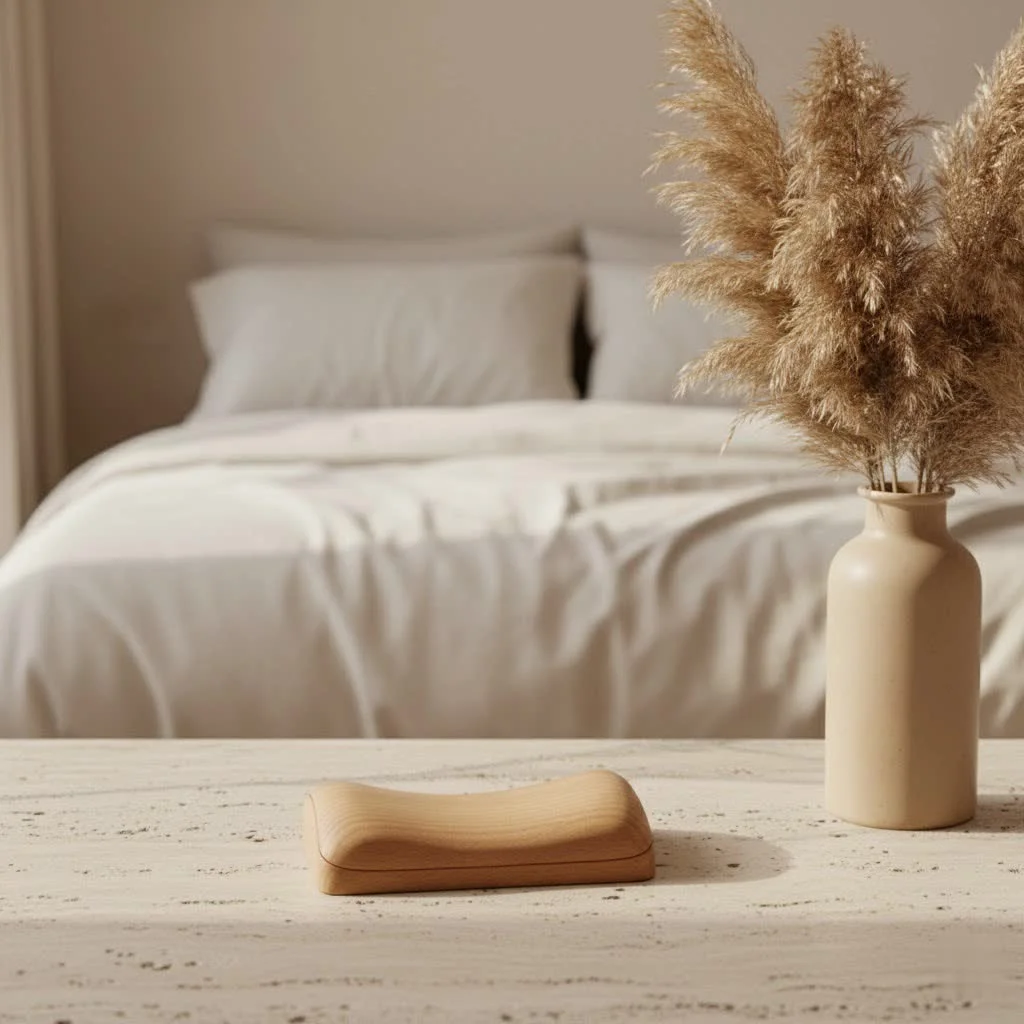
Why Your Wrists Deserve a Break: The Core Benefits of a Keyboard Pad Wrist Rest
Your wrists are constantly in motion or held in static, often awkward, positions. A dedicated keyboard pad wrist rest works to counteract these stresses, providing crucial support where it’s needed most.
Promoting Neutral Wrist Posture
|
Our Picks for the Best Wrist Rest in 2026
As an Amazon Associate I earn from qualifying purchases.
|
||
| Num | Product | Action |
|---|---|---|
| 1 | LỖI |

|
| 2 | MROCO Ergonomic Mouse Pad with Gel Wrist Rest, Comfortable Mousepad with Smooth Wrist Support Surface and Non-Slip PU Base for Pain Relief, Computer, Laptop, Office & Home, 9.4 x 8.1 in, Blue Marble |
|
| 3 | LỖI |
|
| 4 | LỖI |
|
| 5 | MROCO Ergonomic Mouse Pad with Gel Wrist Rest, Smooth Wrist Support Surface, Non-Slip PU Base for Pain Relief, Comfortable Mousepad for Computer, Laptop, Office & Home, 9.4 x 8.1 in, Cloud Forest |
|
| 6 | Keyboard Stand with Wrist Rest - Comfortable Wrist Pad for Easy Typing, Keyboard Tray for Office, Home, School (Fits Most Standard Keyboards) |
|
| 7 | MROCO Ergonomic Mouse Pad with Gel Wrist Rest, Smooth Wrist Support Surface, Non-Slip PU Base for Pain Relief, Comfortable Mousepad for Computer, Laptop, Office & Home, 9.4 x 8.1 in, Black Flower |
|
| 8 | MEKASS Ergonomic Wrist Rest for Keyboard and Mouse, Soft Memory Foam Keyboard Wrist Rest Set with Non-Slip Silicone Base, Easy Typing, Pain Relief, Comfort for Office, Work, Gaming (Classic Black) |
|
| 9 | Vaydeer Wrist Rest for Keyboard and Mouse, Computer Ergonomic Wrist Support Pad, Soft Memory Foam Arm Cushion for Desk, Palm Hand Office Laptop Typing |
|
| 10 | GORILLA GRIP Silky Memory Foam Wrist Rest for Computer Keyboard, Mouse, Ergonomic Design for Typing Pain Relief, Desk Pads Support Hand and Arm, Mousepad Rests, Stain Resistant, 2 Piece Pad, Black |
|
The primary goal of any ergonomic setup is to maintain a neutral posture, and your wrists are no exception. A well-designed keyboard pad wrist rest helps keep your wrists straight, preventing the upward or downward bending that often occurs when typing on a flat desk or keyboard. This natural alignment reduces strain on tendons and nerves, promoting overall healthier hand and arm positioning.
Alleviating Pressure Points
Hard desk edges can dig into the delicate underside of your wrists, creating uncomfortable pressure points and even red marks. A soft, supportive keyboard pad wrist rest acts as a cushion, distributing pressure more evenly across the heel of your palm rather than concentrating it directly on your wrist joint. This cushioning effect significantly reduces discomfort during extended typing sessions.
Reducing Strain and Preventing RSIs
Repetitive Strain Injuries (RSIs) like carpal tunnel syndrome and tendonitis are unfortunately common among frequent computer users. These conditions arise from continuous, small movements and awkward postures that inflame tendons and pinch nerves. By maintaining a neutral wrist position and offering consistent support, a keyboard pad wrist rest can play a vital role in reducing the risk of developing these painful and debilitating conditions. It’s about proactive health, not just reactive pain management.
Boosting Comfort and Productivity
When your wrists are comfortable and well-supported, you’re simply able to focus better and work longer without fatigue or pain. Eliminating discomfort allows you to maintain concentration, leading to increased efficiency and, ultimately, higher productivity. It’s a simple equation: happier wrists equal a more productive you.
Decoding the Options: Types of Keyboard Pad Wrist Rests and Their Materials
Just like keyboards themselves, wrist rests come in a variety of types, each offering distinct characteristics. Choosing the right material for your keyboard pad wrist rest depends on your personal preference for feel, firmness, durability, and even aesthetic.
Memory Foam: The Contouring Comfort
Memory foam is a perennial favorite for its ability to conform to the shape of your wrists, providing personalized support and excellent cushioning. It offers a plush yet supportive feel, distributing pressure evenly. While incredibly comfortable, some memory foam can retain heat, though newer models often incorporate cooling gels or breathable fabrics to mitigate this.
Gel: Cool, Flexible Support
Gel wrist rests typically feature a silicone or polyurethane gel core, often covered with a smooth fabric like Lycra. They offer a unique “squishy” yet firm feel, providing good support with a slight give. Many users appreciate gel for its inherent cooling properties, making it a comfortable choice for long sessions, especially in warmer environments. They are also generally easy to clean.
Wood: A Touch of Firm Elegance
For those who prefer a firmer, more stable surface, wooden keyboard pad wrist rests are an excellent choice. Often crafted from hardwoods like walnut, maple, or bamboo, they offer robust, unwavering support. Wooden wrist rests are prized for their durability and natural aesthetic, adding a touch of sophistication to any desk setup. While not soft or cushioned, the right wood, smoothly finished, can still feel comfortable and cool to the touch.
Other Materials: Silicone, Leather, and Fabric
Beyond the main contenders, you’ll find other materials:
- Silicone/Rubber: Known for durability, ease of cleaning, and a more solid feel. Great for consistent support.
- Leather (Real or PU): Offers a premium look and feel. Often covers a foam or gel core, providing both style and comfort.
- Fabric/Microbead: Soft and flexible, often filled with small beads or cotton, providing a gentle, conforming support. These are frequently machine washable for easy hygiene.
The “best” material for a keyboard pad wrist rest isn’t universal; it truly comes down to what feels right for your unique typing habits and preferences.
Finding Your Perfect Match: How to Choose the Right Keyboard Pad Wrist Rest
With so many options available, selecting the ideal keyboard pad wrist rest can feel daunting. Here’s a checklist of factors to consider to ensure you make the best choice for your ergonomic needs.
Size and Compatibility: A Perfect Fit for Your Keyboard
First things first: measure your keyboard! A keyboard pad wrist rest should ideally match the length of your keyboard, whether you have a full-sized board with a number pad, a tenkeyless (TKL) model, or a compact 60% layout. A wrist rest that’s too short won’t provide adequate support across your entire typing area, while one that’s too long might feel cumbersome.
Height and Firmness: The Goldilocks Zone
The height of your wrist rest is critical. It should be just tall enough to keep your wrists in a neutral, straight line with your forearms when your fingers are resting on the home row keys. Your palms should hover just above the rest, not sink into it or be forced into an upward angle. Look for a pad that offers firm but comfortable support; if it’s too soft, your wrists will sink, negating the ergonomic benefits, and if it’s too hard, it can create new pressure points. The goal is to avoid any extreme bending.
Material Matters: Comfort, Durability, and Hygiene
Consider the materials we discussed earlier. Do you prefer the contouring softness of memory foam, the cool resilience of gel, or the solid elegance of wood? Think about how long you typically type and whether heat retention might be an issue. Also, consider ease of cleaning. Some materials are simple to wipe down, while others might require more specific care.
Beyond the Basics: Anti-Slip, Easy-Clean, and Aesthetics
Don’t overlook the practical features. An anti-slip base, often made of rubber or silicone, is crucial to prevent your keyboard pad wrist rest from sliding around during use. An easy-to-clean surface will help maintain hygiene, especially with daily use. Finally, consider the aesthetics – choose a wrist rest that complements your existing desk setup and reflects your personal style.
Mastering the Setup: Correct Usage and Maintenance for Your Wrist Rest
Even the best keyboard pad wrist rest won’t do its job effectively if used incorrectly. Proper positioning and care are essential to maximize its benefits and ensure its longevity.
Positioning for Optimal Support
The wrist rest should sit flush against the front edge of your keyboard. When your hands are poised over the keys, your wrists should be straight, not bent up or down. The rest is intended to support the heel of your palm, allowing your fingers to move freely over the keys. It’s a resting point, not a pivot.
When to Rest, When to Float
A common misconception is that you should rest your wrists on the pad constantly while typing. In fact, your hands should ideally “float” just above the keyboard, with your wrist rest serving as a support during pauses. Pushing down on the wrist rest while actively typing can actually restrict movement and lead to further strain. Use it to relax your hands between bursts of typing, promoting muscle relaxation.
Keeping It Fresh: Care and Cleaning Tips
Regular cleaning will keep your keyboard pad wrist rest hygienic and extend its life. For most fabric or gel-covered rests, a simple wipe with a damp cloth and mild soap is sufficient. Some fabric covers are removable and machine washable. Wooden rests can usually be wiped clean with a dry or slightly damp cloth. Always check the manufacturer’s instructions for specific care recommendations.
“Many people view a keyboard pad wrist rest as a luxury, but in my experience, it’s a fundamental component of a healthy ergonomic workstation. It’s not just about comfort; it’s about proactively protecting your body from the cumulative stress of modern work. A small investment today can prevent significant pain tomorrow.” – Dr. Isabella Ramirez, Ergonomics Specialist.
FAQs about Keyboard Pad Wrist Rests
Here are some common questions people ask about these essential accessories:
Are keyboard wrist rests really necessary?
While not strictly necessary for everyone, keyboard pad wrist rests are highly beneficial for individuals who spend extended periods typing. They significantly reduce wrist strain, promote ergonomic posture, and can help prevent repetitive strain injuries.
Can a wrist rest cause more harm than good?
Yes, if used improperly. Resting your actual wrists on the pad while typing or using a rest that is too hard, too soft, or at an incorrect height can misalign your wrists and create new problems. The pad should support the heel of your palm during pauses, keeping your wrists straight.
How often should I replace my keyboard wrist rest?
The lifespan varies depending on material and usage. Memory foam might degrade over time, losing its shape and support, while gel or wood typically last longer. Replace your keyboard pad wrist rest when you notice it’s no longer providing adequate support or comfort, or if it shows significant wear.
What’s the ideal height for a wrist rest?
The ideal height for a keyboard pad wrist rest allows your wrists to remain in a neutral, straight line with your forearms when your fingers are placed on the home row of your keyboard. Your hands should be able to float comfortably above the keys, with the rest providing support to the heel of your palm during breaks.
Can gamers benefit from a keyboard wrist rest?
Absolutely! Gamers often engage in intense, repetitive key presses for extended periods, making them susceptible to wrist strain. A keyboard pad wrist rest can provide crucial ergonomic support, maintain a neutral wrist position, and enhance comfort during long gaming sessions, potentially improving performance and reducing injury risk.
In a world where digital interaction dominates our professional and personal lives, neglecting wrist health is a common oversight that can lead to significant discomfort and long-term issues. Investing in a quality keyboard pad wrist rest isn’t just about adding a peripheral to your desk; it’s about making a conscious choice for your well-being. By understanding the diverse types, recognizing their benefits, and applying correct usage, you empower yourself to create a more ergonomic and comfortable workspace. So, give your wrists the support they deserve – you’ll thank yourself for it.
Frequently Asked Questions
Are keyboard wrist rests truly necessary for computer users?
While not strictly necessary for everyone, keyboard pad wrist rests are highly beneficial for individuals who spend extended periods typing, often 4+ hours daily. They significantly reduce wrist strain, promote ergonomic posture, and can help prevent repetitive strain injuries like carpal tunnel syndrome.
Can using a wrist rest incorrectly cause more harm than good?
Yes, improper use can cause harm. Resting your actual wrists on the pad while actively typing, or using a rest that is too hard, too soft, or at an incorrect height, can misalign your wrists and create new problems. The pad should support the heel of your palm during pauses, keeping your wrists straight.
What is the recommended frequency for replacing a keyboard wrist rest?
The lifespan of a keyboard pad wrist rest varies depending on its material and usage. Memory foam typically degrades over 1-2 years, losing its shape and support, while gel or wood options can last 3-5 years or more. Replace your wrist rest when it no longer provides adequate support or comfort, or if it shows significant wear.
What is the ideal height for an ergonomic keyboard wrist rest?
The ideal height for a keyboard pad wrist rest allows your wrists to remain in a neutral, straight line with your forearms when your fingers are placed on the home row of your keyboard. Your hands should be able to float comfortably above the keys, with the rest providing support to the heel of your palm during breaks, not forcing your wrists upward.
Do gamers benefit from using a keyboard wrist rest during long sessions?
Absolutely, gamers can greatly benefit from a keyboard wrist rest. Gamers often engage in intense, repetitive key presses for extended periods, making them susceptible to wrist strain and RSIs. A wrist rest provides crucial ergonomic support, maintains a neutral wrist position, and enhances comfort during long gaming sessions, potentially improving performance and reducing injury risk by up to 30%.
How to Choose the Right Keyboard Pad Wrist Rest
Selecting the ideal keyboard pad wrist rest involves considering several factors to ensure optimal ergonomic support and comfort for your typing habits.
First, measure the length of your keyboard. Your wrist rest should ideally match this length to provide consistent support across your entire typing area, whether you have a full-sized, tenkeyless (TKL), or compact 60% keyboard. An ill-fitting rest will not offer adequate ergonomic benefits.
The wrist rest's height is critical; it should keep your wrists in a neutral, straight line with your forearms when your fingers are on the home row keys. Your palms should hover just above the rest. Choose a pad that offers firm but comfortable support; avoid options that are too soft (causing sinking) or too hard (creating pressure points).
Consider materials like memory foam for contouring softness, gel for cool resilience, or wood for firm elegance. Think about your typing duration, potential heat retention issues, and ease of cleaning. Each material offers distinct benefits for comfort, durability, and hygiene.
Look for practical features such as an anti-slip base, often made of rubber or silicone, to prevent the wrist rest from sliding during use. An easy-to-clean surface is also important for maintaining hygiene, especially with daily use. Finally, consider the aesthetic to complement your desk setup.
I was skeptical about how much a simple accessory could help, but this keyboard pad wrist rest has really improved my comfort. I spend hours typing every day, and I was starting to feel the early signs of carpal tunnel. This has definitely reduced that feeling of strain and made my work much more comfortable. It’s a solid investment for productivity.
I’ve been using a keyboard pad wrist rest for a few weeks now, and it’s made a huge difference. My wrists used to ache after long coding sessions, but since I started using this, that pain is practically gone. It really does help maintain that neutral wrist posture, which I never realized was so important until now. Definitely recommend it for anyone with desk job.
This wrist rest is a game-changer! I used to just tough out the discomfort, but after reading about how it prevents tendonitis, I decided to give it a try. The support is fantastic, and I can type for much longer without any pain. My productivity has actually gone up because I’m not constantly taking breaks to stretch my wrists.
The wrist rest is pretty good for the price, and it definitely helps with the strain. I appreciate how it supports the heel of my palm. My only minor complaint is that it slides around a bit on my desk, so I have to readjust it sometimes. It’s not a dealbreaker, but a stickier base would make it perfect.