In our increasingly digital world, where keyboards and mice have become extensions of our hands, the quiet ache in our wrists is a tale many of us know too well. From crunching numbers in a spreadsheet to dominating virtual battlefields, our wrists bear the brunt of countless repetitive motions. This constant strain often leads to discomfort, fatigue, and even more serious conditions like Carpal Tunnel Syndrome. But what if there was a simple, yet profoundly effective, solution to revolutionize your daily computing experience? Enter the Memory Foam Wrist Rest – a small accessory with a big impact on your comfort and long-term wrist health.
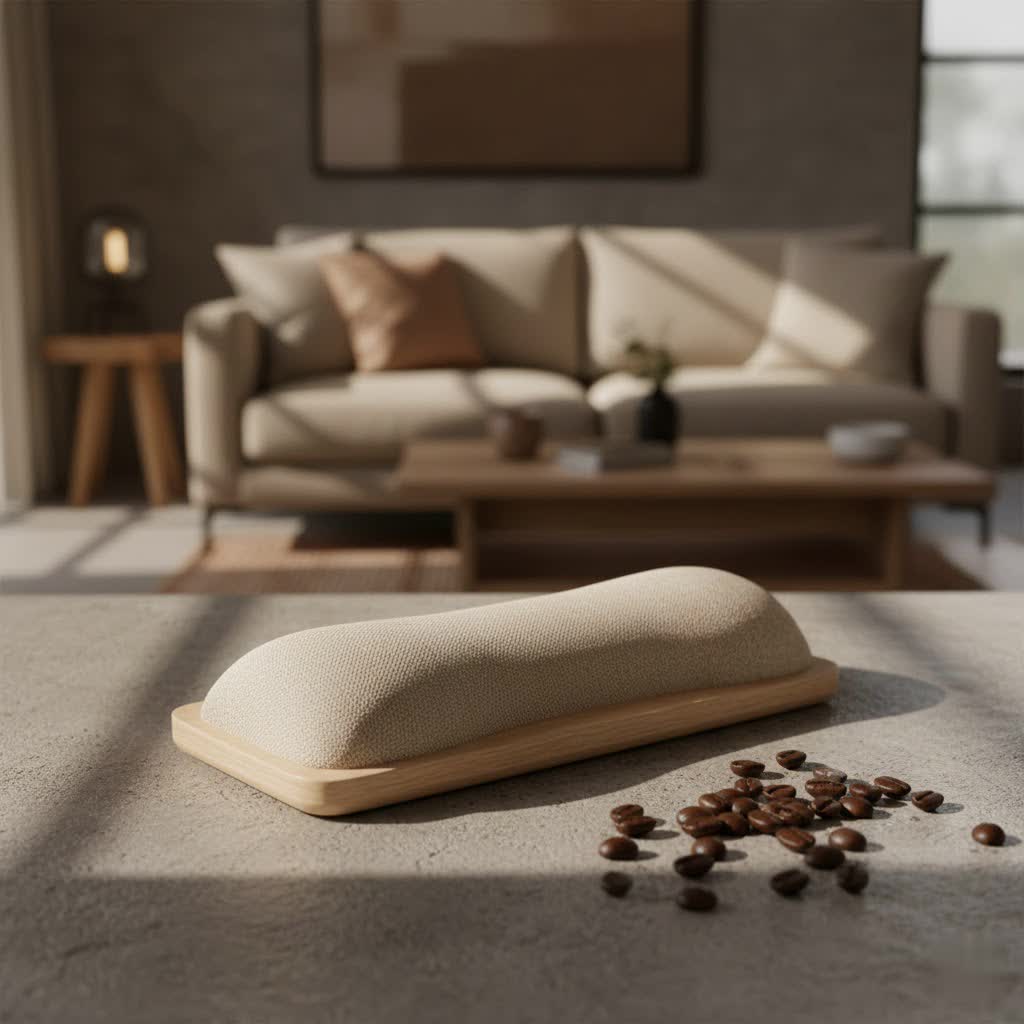
As someone who has dedicated over a decade to researching and developing ergonomic accessories, and as a content writer for MMPok.com, I’ve witnessed firsthand the transformative power of a well-designed wrist rest. It’s not just about cushioning; it’s about providing intelligent support that adapts to your unique anatomy, fostering healthier habits, and ultimately, letting you focus on what you do best without distraction.
What Makes Memory Foam Wrist Rests a Game Changer?
So, what exactly sets a memory foam wrist rest apart from other options, making it a true game-changer for digital warriors? It all comes down to the ingenious material at its core.
The Science of Personalized Comfort
|
Our Picks for the Best Wrist Rest in 2026
As an Amazon Associate I earn from qualifying purchases.
|
||
| Num | Product | Action |
|---|---|---|
| 1 | MEKASS Ergonomic Wrist Rest for Keyboard and Mouse, Soft Memory Foam Keyboard Wrist Rest Set with Non-Slip Silicone Base, Easy Typing, Pain Relief, Comfort for Office, Work, Gaming (Classic Black) |

|
| 2 | Keyboard Stand with Wrist Rest - Comfortable Wrist Pad for Easy Typing, Keyboard Tray for Office, Home, School (Fits Most Standard Keyboards) |
|
| 3 | GORILLA GRIP Silky Memory Foam Wrist Rest for Computer Keyboard, Mouse, Ergonomic Design for Typing Pain Relief, Desk Pads Support Hand and Arm, Mousepad Rests, Stain Resistant, 2 Piece Pad, Black |
|
| 4 | MROCO Ergonomic Mouse Pad with Gel Wrist Rest, Comfortable Mousepad with Smooth Wrist Support Surface and Non-Slip PU Base for Pain Relief, Computer, Laptop, Office & Home, 9.4 x 8.1 in, Blue Marble |
|
| 5 | MROCO Ergonomic Mouse Pad with Gel Wrist Rest, Smooth Wrist Support Surface, Non-Slip PU Base for Pain Relief, Comfortable Mousepad for Computer, Laptop, Office & Home, 9.4 x 8.1 in, Black Flower |
|
| 6 | LỖI |
|
| 7 | MROCO Ergonomic Mouse Pad with Gel Wrist Rest, Smooth Wrist Support Surface, Non-Slip PU Base for Pain Relief, Comfortable Mousepad for Computer, Laptop, Office & Home, 9.4 x 8.1 in, Cloud Forest |
|
| 8 | LỖI |
|
| 9 | LỖI |
|
| 10 | Vaydeer Wrist Rest for Keyboard and Mouse, Computer Ergonomic Wrist Support Pad, Soft Memory Foam Arm Cushion for Desk, Palm Hand Office Laptop Typing |
|
Memory foam, a type of viscoelastic polyurethane foam, was originally developed by NASA for aircraft seat cushioning. Its remarkable properties quickly found their way into various comfort products, including wrist rests, for a good reason. Unlike traditional foams that offer uniform resistance, memory foam responds to heat and pressure. When you rest your wrists on it, the foam softens and molds precisely to your individual contours. This isn’t just a plush feeling; it’s scientifically engineered support.
This unique conforming ability ensures two critical benefits:
- Even Pressure Distribution: Instead of your wrists resting on hard, unforgiving surfaces that create pressure points, the memory foam cradles them, distributing pressure evenly across a larger area. This significantly reduces localized stress on tendons and nerves.
- Promoting a Neutral Wrist Position: The adaptive support of a memory foam wrist rest encourages your wrists to maintain a neutral alignment. This means your hands, wrists, and forearms stay in a straight line, avoiding the awkward bending or extension that can lead to strain and injury over time.
The Myriad Benefits of Memory Foam Wrist Rests
The advantages of incorporating a memory foam wrist rest into your setup extend far beyond simple comfort:
- Exceptional Pain Relief: If you frequently experience wrist pain, discomfort, or even numbness after extended typing sessions, a memory foam wrist rest can offer immediate and sustained relief by reducing strain and improving alignment.
- Proactive Carpal Tunnel Prevention: By maintaining a neutral wrist position and minimizing pressure on the median nerve, memory foam wrist rests are a vital component in a broader ergonomic strategy to prevent Carpal Tunnel Syndrome (CTS) and other repetitive strain injuries (RSIs).
- Enhanced Typing and Gaming Comfort: Whether you’re a professional typist, a passionate gamer, or simply spend many hours at your computer, the cushioned support of a memory foam wrist rest allows for longer, more comfortable sessions without fatigue.
- Improved Accuracy and Precision: A stable and comfortable resting surface for your wrists helps maintain a consistent hand position, which can lead to greater typing accuracy and precision in mouse movements – a crucial advantage for gamers and professionals alike.
- Optimized Office Ergonomics: For any office environment, prioritizing ergonomics is key to employee well-being and productivity. A memory foam wrist rest contributes significantly to a healthier workstation, reducing the risk of work-related musculoskeletal disorders.
- Relief from Wrist Fatigue: Say goodbye to the gradual decline in typing speed and accuracy caused by muscle fatigue. With proper support, your wrists can endure longer without feeling drained.
“The beauty of memory foam lies in its adaptive nature,” says Dr. Amelia Vance, a lead ergonomist at TechComfort Solutions. “It doesn’t force your wrists into a position; it supports their natural posture, which is fundamental for long-term health.”
Memory Foam vs. Other Wrist Rest Materials: A Head-to-Head
When exploring wrist rests, you’ll encounter a variety of materials. While each has its merits, understanding how they compare to the unique properties of a memory foam wrist rest can help you make an informed decision.
Memory Foam vs. Gel Wrist Rests
This is perhaps the most common comparison, and for good reason. Both offer cushioning, but their characteristics differ notably:
- Memory Foam Wrist Rest: Provides truly personalized support by conforming to your wrist’s shape. It offers excellent cushioning and tends to retain its shape well over time, especially high-density varieties. Cleaning is generally straightforward, often involving spot cleaning or removable, washable covers. One potential downside is that it can retain body heat, making it feel warmer during prolonged use.
- Gel Wrist Rest: Known for its squishy, resilient feel and often a cooling sensation. Gel can be initially comfortable and offers good pressure relief. However, some gel rests may flatten or degrade over time, losing their initial effectiveness. Cleaning gel surfaces can sometimes be trickier as the material can be sensitive to certain cleaning agents, and a puncture can compromise the entire rest. While gel offers some adaptability, it typically doesn’t mold to the wrist’s exact contours in the same way memory foam does.
In the long run, for sustained, adaptive support and durability, many users, including myself, find that a quality memory foam wrist rest provides a more consistent and superior experience.
Other Materials: Standard Foam, Fabric, Leather, and Wood
- Standard Foam: Often lightweight and affordable, but typically offers less contouring and support than memory foam. It can compress and lose its shape more quickly.
- Fabric/Cotton: These usually act as covers for other materials but can also be the primary filling. They are breathable and soft but may lack the structural support needed for true ergonomic benefits unless combined with a dense core.
- Leather: Offers a luxurious aesthetic and a firm surface. Leather wrist rests are durable and easy to clean, but they provide less cushioning and contouring compared to a memory foam wrist rest. They often rely on underlying foam or gel for comfort.
- Wood: Provides very firm, unyielding support and a natural, elegant look. Wood wrist rests are exceptionally durable and easy to clean, but they offer no cushioning or adaptability to your wrist’s shape, which might not be ideal for everyone’s ergonomic needs.
Ultimately, while personal preference plays a role, a memory foam wrist rest strikes an excellent balance between comfort, support, and durability, making it a highly recommended choice for most users seeking genuine ergonomic benefits.
Choosing Your Perfect Memory Foam Wrist Rest
With a clear understanding of the advantages, how do you select the ideal memory foam wrist rest for your setup? It’s about more than just picking the first one you see; it’s about finding a product that truly fits your needs.
Prioritize Ergonomic Design
A top-tier memory foam wrist rest isn’t just a rectangular pad. Look for designs that actively mimic the natural curves of your hands and wrists. Many ergonomic models feature subtle indentations or slopes that guide your hands into an optimal, neutral position, preventing unnatural angles and promoting healthy posture. This thoughtful design is crucial for maximizing comfort and injury prevention.
Insist on Quality Material and Density
Not all memory foam is created equal. High-quality, high-density memory foam is key to a durable and consistently supportive wrist rest. Inferior foams might feel soft initially but can quickly compress and lose their supportive properties over time, leading to those frustrating “divots” we all want to avoid. A good memory foam wrist rest should have a slow spring-back characteristic, meaning it retains its shape beautifully even after extended daily use.
Consider the Covering Fabric
The outer layer of your memory foam wrist rest is just as important as the core material, as it’s what your skin will be in constant contact with. Opt for smooth, breathable fabrics like Lycra or soft knits. These materials help prevent irritation, wick away moisture, and minimize heat trapping, ensuring your wrists stay cool and comfortable, even during intense, prolonged sessions. Some covers are even removable and washable for easy maintenance.
Don’t Overlook the Non-Slip Base
A wrist rest that constantly slides around your desk is more of a nuisance than a help. Ensure your chosen memory foam wrist rest comes with a robust non-slip base, typically made of natural rubber. This feature guarantees stability, allowing you to type or game with confidence, knowing your support will stay exactly where you need it.
Size and Compatibility Matter
Think about your specific setup. Do you need a full-length memory foam wrist rest for your keyboard, or a smaller, individual one for your mouse? Measure your keyboard to ensure the rest matches its length. Also, consider the height – your wrist rest should align with your keyboard to allow your wrists to float comfortably, rather than bending upwards or downwards. Many brands offer sets that include both keyboard and mouse wrist rests, providing a cohesive and fully supportive solution.
How to Use Your Memory Foam Wrist Rest Effectively
Even the best memory foam wrist rest won’t provide its full benefits if used incorrectly. Proper technique is crucial for maximizing comfort and ergonomic advantages.
The Art of Proper Positioning
The most common mistake people make is resting their wrists heavily on the pad or using it as a pivot point. Instead, your memory foam wrist rest should act as a gentle guide and a soft landing spot. Position it directly in front of your keyboard or mouse, allowing your wrists to lightly rest on it. Your hands should essentially “float” just above the keys or mouse, ready for action.
Embrace Neutral Wrist Alignment
The primary goal of a wrist rest is to help you maintain a neutral wrist position. This means your wrists should remain straight and aligned with your forearms, avoiding any upward, downward, or side-to-side bending. The soft contouring of a memory foam wrist rest is designed to facilitate this natural alignment, minimizing strain on the tendons and nerves within your carpal tunnel. Regularly check your posture to ensure your wrists aren’t bending at sharp angles.
Integrate into Your Overall Ergonomic Setup
A memory foam wrist rest is a powerful tool, but it works best as part of a comprehensive ergonomic workstation. Ensure your keyboard is at a comfortable height – ideally, your forearms should be parallel to the floor. Your chair should provide good lumbar support, and your monitor should be at eye level. By addressing all these elements, you create an environment that supports your entire body, not just your wrists. Remember to take short, regular breaks to stretch and move, giving your wrists a well-deserved rest.
Beyond Comfort: Long-Term Health Benefits
While the immediate comfort provided by a memory foam wrist rest is undeniable, its most significant value lies in its contribution to your long-term health and well-being.
Preventing Repetitive Strain Injuries (RSIs)
RSIs are a group of conditions caused by prolonged, repetitive movements, and poor posture. They can manifest as pain, stiffness, numbness, or tingling in the hands, wrists, arms, and shoulders. By promoting a neutral wrist position and distributing pressure evenly, a memory foam wrist rest significantly reduces the micro-traumas that accumulate over hours of typing and mousing, acting as a critical preventative measure against these debilitating injuries.
Addressing Carpal Tunnel Syndrome
Carpal Tunnel Syndrome (CTS) is a specific type of RSI where the median nerve, which runs through a narrow passage in your wrist, becomes compressed. This leads to characteristic symptoms like numbness, tingling, and pain in the thumb, index, middle, and half of the ring finger. While a wrist rest isn’t a cure for existing CTS, it plays a vital role in preventing its onset and managing symptoms by minimizing the pressure on the median nerve. By keeping your wrists aligned and elevated, a memory foam wrist rest helps ensure that the carpal tunnel remains as open and unrestricted as possible.
Boosting Productivity and Focus
Imagine a workday free from nagging wrist discomfort. When you’re not constantly shifting your hands or consciously trying to alleviate pain, your focus remains entirely on your tasks. This reduction in physical distraction directly translates to enhanced productivity, improved concentration, and a more enjoyable computing experience. Whether you’re a coder meticulously crafting lines of code or a gamer executing precise maneuvers, the consistent comfort of a memory foam wrist rest allows you to perform at your peak for longer durations.
Frequently Asked Questions (FAQ)
How does a memory foam wrist rest help with wrist pain?
A memory foam wrist rest alleviates wrist pain by conforming to the unique shape of your wrists, evenly distributing pressure, and promoting a neutral wrist position. This reduces strain on tendons, muscles, and nerves, thereby minimizing discomfort and preventing awkward bending that can lead to soreness.
What is the difference between gel and memory foam wrist rests?
Memory foam wrist rests offer personalized, adaptive support by molding to your wrist’s contours, returning slowly to their original shape. Gel wrist rests provide a softer, often cooler, but less adaptive form of cushioning that might flatten over time. Memory foam generally offers more consistent, long-term support.
Can a wrist cushion prevent carpal tunnel syndrome?
While a memory foam wrist rest is an excellent tool for prevention, a wrist cushion alone cannot prevent Carpal Tunnel Syndrome (CTS). Preventing CTS requires a comprehensive ergonomic approach, including proper typing technique, regular breaks, stretching exercises, and an overall ergonomically sound workstation setup.
Is it essential to use a wrist support while typing?
It is not strictly essential for everyone, especially if you maintain perfect posture and technique naturally. However, for anyone who spends significant time typing or using a mouse, a memory foam wrist rest can dramatically improve comfort, reduce fatigue, and significantly lower the risk of developing wrist strain and related injuries.
How can I maintain wrist health while working on a computer?
To maintain optimal wrist health, combine a quality memory foam wrist rest with proper posture, ergonomic keyboard and mouse usage, regular breaks for stretching, and ensuring your workstation allows your forearms to be parallel to the floor. Hydration and a healthy lifestyle also contribute to overall joint health.
Conclusion
In a world that increasingly demands our time and attention in front of screens, safeguarding our physical well-being is paramount. The humble memory foam wrist rest stands out as a critical yet often overlooked ally in this endeavor. It’s more than just a cushion; it’s a commitment to ergonomic excellence, a shield against discomfort, and a gateway to enhanced productivity.
By embracing the adaptive, supportive power of a memory foam wrist rest, you’re not just investing in an accessory; you’re investing in your long-term health, comfort, and efficiency. Say goodbye to wrist strain and discomfort, and welcome a future where typing and gaming are not only pain-free but genuinely enjoyable. Your wrists will thank you, and you’ll wonder how you ever managed without the personalized comfort and unwavering support that a quality memory foam wrist rest provides. Prioritize your wrist health today and experience the difference for yourself.
